
Views: 0 Author: Site Editor Publish Time: 2026-03-31 Origin: Site


Have you ever noticed your gears becoming noisy after machining? This common issue can be frustrating for manufacturers and engineers alike. In this article, we’ll explore the reasons behind increased gear noise, including manufacturing inconsistencies, tolerance stack-up, and material hardness variations. You'll learn how to tackle these problems effectively.
When gears transition from quiet prototypes to noisy production units, several factors can contribute to this frustrating change. Understanding these causes is crucial for manufacturers and engineers looking to maintain the integrity of their gear systems. Here, we’ll explore three primary reasons why gears may become noisy after machining: manufacturing inconsistencies, tolerance stack-up issues, and material hardness variations.
Manufacturing inconsistencies are one of the most common culprits behind increased gear noise. During the transition from prototype to production, variations in machining processes can lead to differences in gear quality. For instance, if a production run uses different CNC settings or tooling than the prototype, it may produce gears that do not mesh as smoothly. This can result in increased friction and noise during operation.
Additionally, factors like tool wear or improper setup can compromise the accuracy of the gear teeth. Even minor deviations in tooth profile or pitch can lead to significant acoustic issues. A thorough inspection of the manufacturing process is essential to identify and rectify these inconsistencies.
Tolerance stack-up occurs when the cumulative effect of individual tolerances across multiple components leads to misalignment or excessive backlash. In gear systems, this can produce noise and reduce efficiency. For example, if the backlash in a gear assembly exceeds the acceptable range, it can lead to impacts between teeth during operation, generating noise.
To mitigate tolerance stack-up issues, it's important to measure actual backlash and compare it to the prototype values. If the production gears show an increase in backlash beyond acceptable limits, adjustments must be made. Strategies may include tightening positional tolerances or improving shaft alignment to ensure proper meshing.
Material hardness plays a critical role in gear performance. Variations in material hardness between production batches can lead to inconsistent wear patterns and noise levels. For example, if one batch of gears is made from a softer material than intended, it may wear down faster, leading to increased backlash and noise over time.
To address this, manufacturers should verify the hardness of materials used in production. It’s advisable to conduct hardness tests on random samples to ensure consistency. If discrepancies are found, adjustments in the heat treatment process or material selection may be necessary to maintain performance.
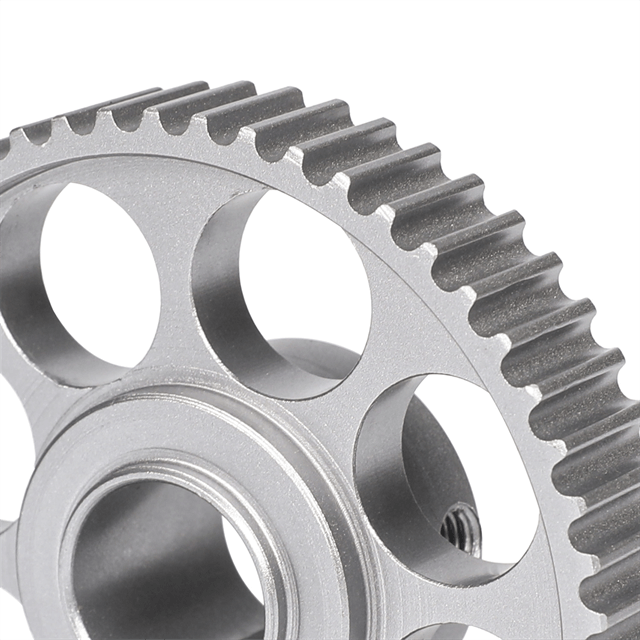
Tolerances are crucial in gear manufacturing. They define the acceptable limits of variation in gear dimensions, such as tooth profile, pitch, and alignment. When tolerances are tight, gears mesh smoothly, ensuring efficient power transfer. Conversely, loose tolerances can lead to misalignment, excessive noise, and premature wear.
In gear systems, tolerances can be categorized into three main types:
Dimensional Tolerances: Control the size and shape of gear teeth. Maintaining tight dimensional tolerances is critical for proper meshing and load distribution.
Geometric Tolerances: Govern the shape and relative positioning of gear teeth, impacting vibration and noise levels. Misalignment can result in increased vibration and noise.
Surface Finish Tolerances: Affect the texture and smoothness of gear surfaces. Specifying precise surface finish tolerances helps optimize performance and durability.
Backlash is the intentional clearance between meshing gear teeth. While necessary for accommodating manufacturing errors and thermal expansion, excessive backlash can lead to noise and inefficiencies.
Too Little Backlash: Causes tight meshing, leading to increased friction, heat, and high-frequency noise.
Too Much Backlash: Results in violent impacts between teeth during operation, generating low-frequency impact noise.
Achieving optimal backlash is essential. It ensures smooth operation and minimizes noise. Often, manufacturers need to measure backlash accurately and compare it to specified limits. If backlash exceeds acceptable levels, adjustments are necessary.
To reduce noise and improve performance, consider these strategies:
Tightening Tolerances: Reducing positional tolerances can enhance tooth contact consistency. For example, moving from ±0.05 mm to ±0.02 mm can reduce noise by 3-5 dB. However, this increases machining costs.
Optimizing Backlash: Focus on achieving consistent backlash rather than absolute values. A gear with uniform backlash of 0.15 mm may operate quieter than one with variations around 0.08-0.18 mm, even if the average is tighter.
Regular Inspections: Implement routine inspections to monitor backlash and surface finish during production. This proactive approach helps catch potential noise issues early, maintaining consistency with prototype specifications.
Communication with Manufacturers: Specify tolerances based on function. Tight tolerances should focus on features affecting tooth contact, while standard tolerances can apply elsewhere. Clear communication helps ensure manufacturers understand your requirements.
By understanding and managing tolerances effectively, manufacturers can significantly reduce gear noise and enhance overall performance.
Surface finish plays a crucial role in gear performance, impacting noise levels, wear, and overall efficiency. The roughness of gear surfaces is typically measured in micrometers (Ra), which indicates the average surface texture. For precision applications, a surface finish of Ra 1.6 μm is often the target. This level of smoothness helps reduce friction and noise during operation. In contrast, a rougher surface finish, such as Ra 3.2 μm, may suffice for low-load applications but can lead to increased noise under higher speeds or loads.
Surface roughness directly influences how gears interact. Rough surfaces can lead to poor lubrication, resulting in increased friction and noise. When gears mesh, the peaks of a rough surface can interfere with smooth operation, causing vibrations and sounds that can be detrimental to performance.
For example, if a gear designed for a quiet operation has a surface finish that deviates from Ra 1.6 μm to Ra 3.2 μm, it may generate noticeable noise during high-speed applications. The roughness can create a situation where the lubricating oil film breaks down, leading to boundary lubrication or even dry contact, which further exacerbates noise levels.
Achieving the desired surface finish requires careful consideration of manufacturing processes. Here are some effective methods:
CNC Machining: Utilizing advanced CNC machining techniques allows for high precision in achieving the desired surface finish. The right parameters can help maintain a consistent Ra level.
Grinding: This process can significantly improve surface texture, reaching low roughness values suitable for high-load and high-speed applications. Grinding removes surface imperfections, leading to smoother tooth profiles.
Lapping and Honing: These finishing techniques polish the surface, further reducing roughness and correcting minor deformations. They create a cross-hatch pattern that enhances oil film adhesion, which is beneficial for noise reduction.
Quality Control: Regular inspection of surface finish during production is vital. Using tools like profilometers can help verify that the surface meets specified standards.
Material Selection: Choosing the right material is also essential. Some materials, when machined to the desired finish, perform better in terms of noise reduction.
By combining these methods, manufacturers can achieve optimal surface finishes, leading to quieter and more efficient gear systems.
Speed-dependent gear noise often indicates resonance issues. Resonance occurs when the frequency of gear mesh matches the natural frequency of the surrounding structure. This can amplify noise at specific RPM ranges. For example, if you notice a noise spike at around 1,200 to 1,800 RPM, it’s likely due to this resonance effect. To diagnose, run your gears through a speed test, noting where noise occurs. This helps pinpoint the problematic RPM range.
Lubrication plays a crucial role in gear performance, especially at high speeds. As speeds increase, the lubricating oil film can break down, leading to higher friction and noise. If you experience noise only under load or at elevated speeds, it may indicate inadequate lubrication. Switching to synthetic lubricants can help maintain viscosity and reduce noise. These oils often perform better under high-speed conditions, providing a more stable lubrication film.
Adjusting operational conditions can significantly reduce noise. For instance, if resonance is identified, consider programming speed ramps to avoid the RPM ranges where noise spikes. This simple operational change can mitigate the noise without the need for redesign. Additionally, if lubrication alone doesn’t solve the problem, check bearing preload. Adjusting the preload can help minimize misalignment and reduce noise.
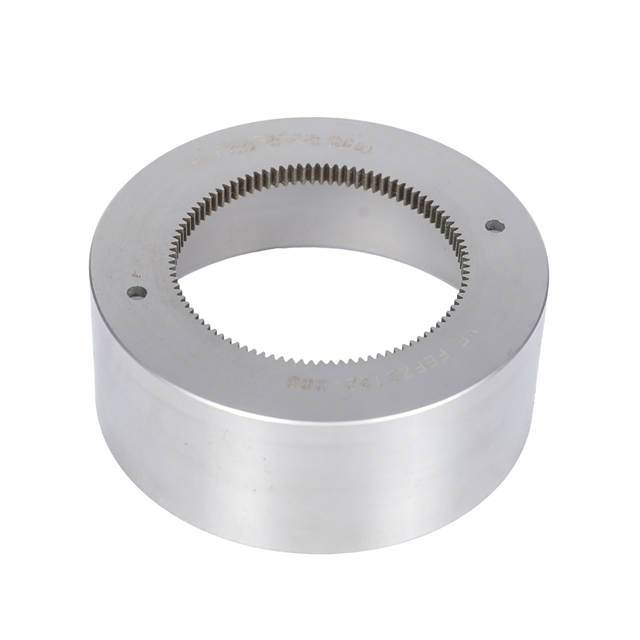
When it comes to gear noise reduction, one option stands out: helical gears. These gears are often considered an alternative to traditional straight-cut gears. They provide several advantages that can lead to quieter operation and improved performance. However, switching to helical gears involves more than just a simple replacement. Let’s dive into the benefits, cost implications, and factors to evaluate before making the switch.
Helical gears have a distinct design that allows for gradual tooth engagement. This feature leads to smoother operation and reduced noise levels. Here are some key advantages:
Noise Reduction: Helical gears typically generate 5-10 dB less noise compared to straight-cut gears. The angled teeth engage more gradually, which minimizes impact and vibration.
Higher Load Capacity: The design allows for better load distribution across the gear teeth. This can lead to improved durability and longevity, reducing the likelihood of noise caused by wear.
Efficiency: Helical gears often operate more efficiently due to reduced friction. This means less energy wasted as heat, leading to quieter performance.
Improved Alignment: The design helps maintain better alignment between gears, minimizing misalignment-related noise.
While the benefits are compelling, switching from straight-cut to helical gears comes with costs:
Initial Investment: Helical gears typically require more complex manufacturing processes, which can lead to higher initial costs. This includes the need for specialized tooling and machining.
Thrust Bearing Requirements: Helical gears produce axial thrust forces, necessitating the use of thrust bearings. This can add to the overall system cost and complexity.
Development Time: Transitioning to helical gears may extend development timelines. This includes time for design changes, prototyping, and testing.
Before making a switch, it’s essential to evaluate your specific noise reduction needs:
Current Noise Levels: Assess how much noise your current gear system produces. If the noise exceeds acceptable levels (e.g., 8 dB over target), helical gears may be a worthwhile consideration.
Application Requirements: Consider the application’s load and speed requirements. If the application can accommodate the axial thrust from helical gears, their benefits may outweigh the costs.
Alternative Solutions: Weigh helical gears against other noise reduction strategies. Sometimes, improving surface finish or optimizing backlash may provide sufficient noise reduction without the need for a gear type change.
Many times, gear noise can be addressed without a complete redesign of the assembly. Simple operational changes often yield significant results. For instance, adjusting the operational speed of the gear system can help. If noise spikes occur at specific RPM ranges, programmers can implement speed ramps to bypass those problematic ranges. This adjustment can effectively reduce noise without altering the mechanical design.
Additionally, monitoring load conditions is vital. If gears produce noise only under load, it might indicate that the system is operating outside its designed parameters. By ensuring the gears operate within their optimal load range, manufacturers can minimize noise.
Lubrication is another crucial factor in managing gear noise. Many noise issues stem from inadequate lubrication, especially at high speeds. Using synthetic lubricants can enhance performance. These oils maintain viscosity better than traditional lubricants, ensuring a consistent lubricating film even under demanding conditions.
For example, switching to a synthetic gear oil could reduce noise by 2-4 dB in applications running above 1,500 RPM. Regularly checking and maintaining lubrication levels can prevent noise issues from escalating.
Sometimes, mechanical adjustments can effectively reduce noise. One area to focus on is backlash. If gears exhibit excessive backlash, it can lead to impacts between teeth during operation, generating noise. Adjusting bearing preload can help tighten the backlash. Aim for a backlash of around 0.10-0.15 mm. This adjustment can often be made in just a few hours and can significantly improve noise levels.
Furthermore, adding mass damping to the housing can also help. Attaching small steel plates to vibration nodes can reduce radiated noise by 4-6 dB. This is a relatively simple modification that can yield substantial noise reduction.
In summary, addressing noisy gears doesn't always require a complete redesign. By implementing operational changes, improving lubrication, and making mechanical adjustments, manufacturers can effectively manage and reduce gear noise.
Understanding why gears become noisy after machining is essential for manufacturers. Key factors include manufacturing inconsistencies, tolerance stack-up, and material hardness variations. Managing tolerances effectively can reduce noise and improve gear performance. Future gear designs should focus on optimizing surface finishes and lubrication. Continuous improvement in these areas will enhance product reliability. At Yongfeng, our gears are engineered for precision and durability, ensuring quieter operation and superior performance in your applications.
A: Gears may become noisy after machining due to manufacturing inconsistencies, tolerance stack-up issues, or variations in material hardness.
A: To reduce noise, consider adjusting operational speeds, improving lubrication, and making mechanical adjustments like tightening backlash.
A: Helical gears offer noise reduction, higher load capacity, and improved efficiency compared to straight-cut gears.
A: Tight tolerances ensure smooth meshing of gears, while loose tolerances can lead to misalignment, excessive noise, and premature wear.


