
Views: 0 Author: Site Editor Publish Time: 2025-12-16 Origin: Site


Gear noise after machining can be a puzzling issue. A custom gear that runs quietly in simulations may become unexpectedly noisy once produced.
In this article, we will explore the causes behind this phenomenon and discuss how to prevent it. You'll learn how process control, tool maintenance, and machining practices affect the quietness of your custom gear designs.
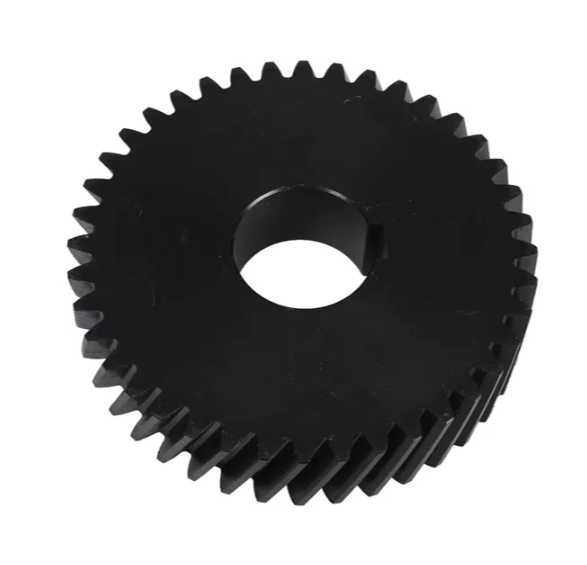
In many cases, a gear design may pass quietness tests in simulation or during prototyping. However, once the gear is machined, it begins to produce a hum, buzz, or even a loud noise when engaged. This discrepancy is often due to the complexity of real-world machining environments, where factors like tool wear, fixture misalignment, and runout introduce variability that simulations can’t predict.
Simulation tools are excellent for predicting performance in controlled environments, but they can’t replicate the various conditions found in the real-world manufacturing process. For example, factors like temperature changes during machining, slight imperfections in the tool or workpiece, or vibrations from the machine itself can all contribute to unexpected noise in the final product. The variables that affect machining precision—such as temperature fluctuations and machine tool wear—play a significant role in altering the gear's geometry. Even small changes, like a 0.004mm runout, can amplify vibrations and cause the gear to become noisy once it’s under load. These imperfections can occur in ways that make the part sound louder than predicted, despite meeting all geometric specifications.
One common misconception in the industry is that gear noise is a result of "design flaws," particularly "tolerance sensitivity." Some suppliers might suggest that your design's tight tolerances are the reason for the noise, but the actual cause is often poor process control during machining.
It’s easy to blame design specifications for noise issues, especially if they are perceived to be too strict or difficult to manufacture. However, in most cases, noise stems from factors like misalignment, tool wear, and inconsistent setup between machine cycles. In fact, gears that run quietly in simulation may still experience these issues in real-world production, particularly when the machining process lacks sufficient control. Suppliers may blame design specifications without recognizing their own process limitations.
When discussing noise issues with suppliers, it’s important to ask for process control data such as spindle checks, tool-life records, and temperature stability. These records provide a more accurate picture of the problem than simply looking at the drawing’s tolerances. This proactive approach can help you pinpoint the real issue and prevent unnecessary delays in production.
Tool wear and spindle misalignment are two major factors that lead to increased gear noise. Over time, tools degrade, causing inconsistent cuts that can lead to poor tooth geometry and uneven tooth engagement. Spindle misalignment also leads to runout, which directly affects the precision of the gear cut.
Even a minor change, like a 0.004mm shift in tool position or spindle alignment, can cause a significant increase in noise. This phenomenon can be measured as an increase of 15dB, which may be enough to make a gear that was previously quiet now sound noisy under load. The tool wear is particularly insidious because it often happens gradually, and the effects may not be noticed until the gear is in operation.
Ensuring that spindle alignment and tool conditions are checked before every batch is critical to maintaining consistent performance. Inconsistent tool wear or machine misalignment can lead to significant noise increase, even when other variables remain stable. Regular monitoring and maintaining tight process control are essential to prevent noise-related issues from becoming a recurring problem.
| Condition | Impact on Gear Noise | Noise Level Increase (dB) |
|---|---|---|
| New Tool, Aligned Spindle | Minimal Noise | 0-2 dB |
| Worn Tool, Aligned Spindle | Increased Noise | 3-6 dB |
| New Tool, Misaligned Spindle | Moderate Noise | 5-10 dB |
| Worn Tool, Misaligned Spindle | Significant Noise | 10-15 dB |
Fixturing errors, such as the use of suboptimal or poorly aligned fixtures, are another cause of gear noise. Even if the gear design passes initial inspection, improper fixturing during machining can lead to misalignment that affects the gear’s performance once it is assembled.
Misalignment causes uneven tooth engagement, leading to vibrations that generate noise. When gears are improperly fixtured, the load on the gear teeth during operation is uneven, which increases friction and wear on certain areas, leading to undesirable noise. The relationship between fixture stress and gear noise is critical—tight tolerances on parts that are not properly supported can cause distortions that lead to operational failure. It’s not enough to simply rely on CAD or prototype designs; the machining process and setup must be meticulously controlled to ensure accuracy and repeatability.
It’s important to work with manufacturers who can demonstrate the use of precise and well-validated fixturing systems. A dedicated fixture that maintains alignment throughout the machining process can help prevent misalignment-related noise. Additionally, fixtures that simulate the load conditions during the actual use of the gears can help ensure better performance post-machining.
| Fixturing Method | Effect on Gear Alignment | Effect on Gear Noise Level |
|---|---|---|
| Proper Fixturing, Aligned | Perfect alignment | Low Noise |
| Improper Fixturing, Misaligned | Misaligned teeth | High Noise |
| Loose Fixturing | Vibration-induced stress | Moderate Noise |
| Tight Fixturing | Even engagement | Low to Moderate Noise |
A lack of proper maintenance or calibration of tools and spindles is a leading contributor to gear noise. If tools aren’t regularly replaced or calibrated, the resulting tool wear and inconsistencies will cause the gear to produce unwanted sounds during operation. Spindle misalignment, which can accumulate over time if not checked regularly, also plays a significant role in this issue.
Proper maintenance is not just about replacing parts when they wear down—it’s also about proactively monitoring the tool and machine condition. For example, a worn tool that hasn’t been replaced on schedule will produce cuts that are less precise, leading to higher noise levels. Similarly, if the spindle is misaligned or hasn’t been recalibrated for a while, even small shifts in position can lead to vibrations that cause the gear to be noisy. When maintenance is neglected, it can lead to gradual shifts in machining precision that are difficult to detect until after the part has been assembled.
Requesting maintenance schedules and tool calibration records from suppliers ensures that tool wear and spindle misalignment are addressed before they cause major noise issues. Maintaining a detailed log of tool life and machine calibration will help prevent noise problems from slipping through the cracks.
| Process Validation Method | Description | Impact on Noise Reduction |
|---|---|---|
| Simulation-Based Validation | Verifying tools and fixtures through simulation | High Noise Reduction |
| Test Runs Before Full Production | Running a batch to simulate final conditions | Moderate Noise Reduction |
| No Pre-Production Validation | No checks, direct production | Minimal Noise Reduction |
The best way to prevent gear noise is through process validation. By using simulation and pre-production tests to verify tool and fixture performance, manufacturers can reduce noise from the outset. Key factors to monitor include tool deflection, spindle stability, and fixture stress.
Regular validation checks—such as verifying runout, temperature stability, and tool performance—ensure that the machining process maintains consistent accuracy. By simulating different production conditions before starting full-scale production, manufacturers can predict how a gear will perform under actual conditions and avoid common noise issues. These checks can catch small deviations before they turn into larger problems, ensuring that gears stay quiet during operation.
Prior to full-scale production, validating the process through test runs ensures the gear design performs as expected under real-world conditions. This proactive step can save time and money in the long run by minimizing rework or redesigns. It also reduces the need for unnecessary testing after production, speeding up the overall manufacturing timeline.
Clear communication with suppliers is essential to maintaining quiet gear performance. Ensure that your supplier follows a rigorous process for controlling and monitoring key variables during machining. Request process control data such as runout measurements, spindle calibration records, and temperature stability logs to verify that the gear production environment is stable and consistent.
Understanding these variables and ensuring they are controlled during machining helps to reduce noise. Suppliers who are transparent about their process control measures are more likely to deliver high-quality, quiet gears. By working closely with suppliers and establishing clear expectations for quality and noise control, you can ensure that your custom gear designs perform optimally.
Asking for detailed process control data will give you a clear understanding of the steps suppliers are taking to ensure the quietness of your gears. Suppliers who can provide this data demonstrate their commitment to quality and process reliability, which is crucial for minimizing gear noise.
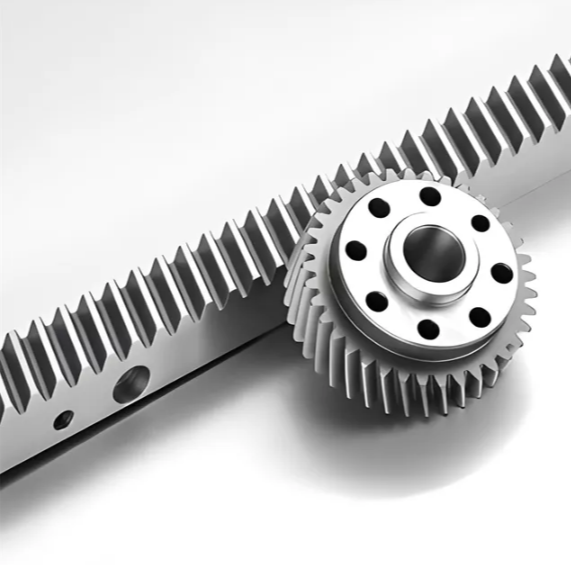
When faced with noisy gears, rework is often considered an immediate solution. However, reworking noisy gears often fails to address the root cause of the noise, and the problem may persist. While re-lapping or grinding gears can temporarily reduce noise, it doesn’t fix underlying issues like misalignment or poor tool wear.
Rework, while sometimes necessary, is typically a band-aid solution. If the underlying process issues—such as fixture misalignment, tool wear, or poor maintenance—are not addressed, the noise will likely return in future batches. Instead of continuously reworking gears, it may be more effective to switch to a more capable gear shop that can ensure these process issues are prevented from the start.
Switching to a more capable gear shop, however, may provide a long-term solution. A shop with expertise in process control, fixturing, and tool maintenance can ensure that future batches of gears are produced with minimal noise, eliminating the need for rework. This can lead to both cost and time savings in the long term.
Choosing the right gear manufacturer is crucial in ensuring that your custom gear designs meet both quality and noise standards. Look for a shop that specializes in process control and can demonstrate a proven track record of producing quiet gears. Suppliers who use the latest machinery, perform regular process validation, and maintain stringent quality control processes are ideal for achieving low-noise results.
Before committing to a new supplier, ask for references or case studies that demonstrate their ability to produce quiet gears under similar conditions. This helps to ensure that your gear will meet noise specifications from the start. A reliable supplier will also offer transparency in their process control measures, which allows for better planning and fewer surprises during production.
Gear noise after machining is often caused by process control issues, tool wear, fixturing errors, or poor maintenance. By understanding these factors, you can ensure your custom gear designs remain quiet after machining.
Ongoing process validation, communication with suppliers, and choosing a capable gear shop are key to preventing noise. Tight control over manufacturing, proper maintenance, and fixturing will help maintain quiet gear performance.
Working with a supplier like Dongguan Yongfeng Gear Co., Ltd., which prioritizes process control, ensures high-quality, low-noise gears. Their focus on consistent quality prevents delays and rework, providing value to clients with reliable and durable products.
A: Gear noise after machining is often caused by process control issues, tool wear, misalignment, or improper maintenance. These factors can affect gear geometry, leading to noise despite a quiet design in simulations.
A: Ensure proper tool maintenance, use precise fixturing, and regularly validate machining processes. Working with a capable gear supplier can also help maintain gear quietness by addressing potential issues early.
A: Even with tight tolerances, factors like spindle misalignment, tool wear, and poor fixturing can cause vibrations, leading to noise. These issues are often overlooked in simulations but appear in real-world machining.
A: Yes, process validation, including pre-production testing and continuous monitoring, helps ensure gears meet noise specifications. This reduces the risk of noise caused by inconsistencies in the machining process.
A: Tool wear can cause inconsistent cuts, leading to poor tooth geometry and uneven engagement. This results in vibrations and noise during gear operation, even if the initial design was quiet.
A: Check for issues like misalignment, tool wear, and fixturing errors. Reviewing process control data from your supplier can help identify and fix the root causes of noise.


