
Views: 0 Author: Site Editor Publish Time: 2025-12-23 Origin: Site


Custom gears are essential in various industries, from aerospace to robotics. But have you ever wondered what drives their price? The cost of custom gears can vary greatly, influenced by multiple factors like material, precision, and batch size.
In this article, we will explore the key factors affecting the price of custom gears and help you understand how to make cost-effective decisions.
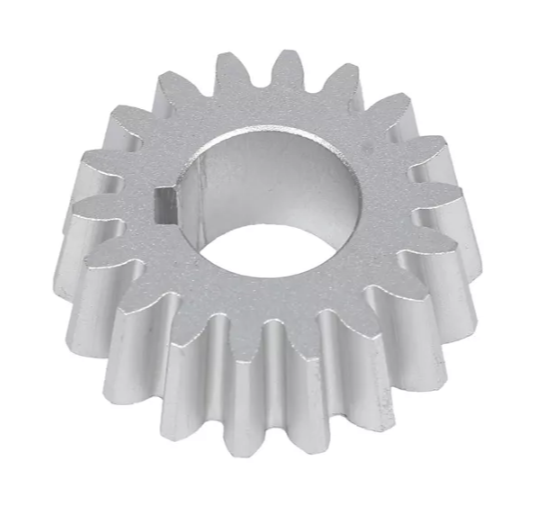
The choice of material used in gear manufacturing is one of the most significant factors in determining the cost of a custom gear. Different materials offer distinct advantages based on the specific requirements of the application, and each material comes with its own set of cost implications. Common materials used for gear production include carbon steel, alloy steel, stainless steel, aluminum, and engineering plastics, with each material having unique properties that make it suitable for specific applications.
Carbon Steel is one of the most affordable materials, providing good strength and durability for general-purpose gears, making it an excellent choice for low- to medium-duty applications. It is commonly used in manufacturing gears for everyday industrial machinery.
Alloy Steel offers superior strength and durability, making it ideal for heavy-duty applications. However, alloy steel tends to be more expensive due to its high strength and the additional processing required.
Stainless Steel is particularly well-suited for harsh environments where corrosion resistance is necessary, such as in marine or food processing applications. While stainless steel offers great resistance to corrosion, it comes at a higher price.
Aluminum is lightweight and offers a good strength-to-weight ratio, making it ideal for low-load applications such as in automotive or consumer electronics. Its lower density compared to steel reduces material costs significantly, especially for applications that prioritize weight savings.
Engineering Plastics like POM (Polyoxymethylene) are ideal for quieter operations, non-corrosive environments, and lightweight applications. These materials are often chosen for gears that require high precision and noise reduction, though their cost can vary depending on the specific polymer used.
| Material Type | Strength | Corrosion Resistance | Weight | Cost Range | Common Applications |
|---|---|---|---|---|---|
| Carbon Steel | Moderate | Low | Heavy | Low | General industrial use |
| Alloy Steel | High | Moderate | Heavy | Moderate-High | Heavy-duty applications |
| Stainless Steel | High | High | Heavy | High | Marine, food processing |
| Aluminum | Low | Low | Light | Moderate | Lightweight machinery |
| Engineering Plastics | Low | Moderate | Light | Low-Moderate | Low-load, noise-sensitive applications |
Selecting the right material goes beyond simply considering cost; it involves aligning material properties with the operational demands of the gear. Gears that will experience high loads, such as those in industrial machinery or heavy equipment, require materials with high strength and wear resistance, like alloy steel or stainless steel. On the other hand, gears used in lighter-duty applications or environments that don’t require significant strength can often be made from aluminum or plastics, which offer substantial cost savings without compromising performance.
For example, gears used in aerospace or automotive applications, where the durability of the gear is critical, often demand high-performance materials that ensure reliable performance under extreme conditions. Meanwhile, for more general applications, choosing a material that is durable enough to withstand the expected load but not overly expensive is key.
While high-performance materials like stainless steel and advanced alloys offer exceptional durability and resistance, they are often more expensive due to the additional processing and the higher cost of raw materials. It is crucial to evaluate the actual needs of the application to avoid over-specifying materials that won’t provide added value.
For instance, while stainless steel may be necessary for gears exposed to corrosive environments, opting for it in applications that do not have such requirements is unnecessary and could lead to higher costs. In most cases, choosing materials like 4140 steel, which offers a good balance of performance and cost, is an effective strategy to ensure the gear functions as required without exceeding budget constraints.
Tolerances refer to the allowable deviation from the ideal gear dimensions and are critical in determining the gear’s functionality and cost. The tighter the tolerance, the more costly the gear will be to manufacture, as it requires more precise machining, extended processing times, and additional quality control checks. Gears with tighter tolerances are typically used in high-precision applications such as aerospace, robotics, or high-end machinery, where even a slight variation can cause failure or malfunction.
For example, a gear with a ±0.01mm tolerance requires much more precise machining and inspection than one with a ±0.1mm tolerance. While high-precision gears are necessary for certain applications, not all gears need such tight tolerances. In fact, many industrial applications function perfectly well with standard tolerances, leading to lower manufacturing costs.
There are significant cost differences between gears made with standard tolerances and those requiring high precision. Gears made to AGMA Class 8 tolerances typically cost less than those made to AGMA Class 10 or higher. Gears that need to be manufactured to these higher tolerances often require specialized machinery, more labor, and additional steps in the production process, all of which drive up the price.
For most industrial applications, standard tolerances like AGMA Class 8 are sufficient, offering a balance between quality and cost. It is only for highly specialized applications, such as those in robotics or aerospace, where high-precision gears are necessary.
It’s essential to assess the true need for high precision before specifying it. In many cases, specifying unnecessarily tight tolerances leads to higher costs without providing any significant improvement in performance. For example, specifying AGMA Class 10 tolerances for gear blanks may lead to unnecessary costs, especially when only the tooth profiles require such high precision.
| Tolerance Class | Typical Application | Price Impact | Precision Level | Common Manufacturing Process |
|---|---|---|---|---|
| AGMA Class 8 | General industrial use | Low | Moderate | Machining, basic inspections |
| AGMA Class 10 | High-precision machinery | Moderate | High | Advanced machining, rigorous inspections |
| AGMA Class 12 | Aerospace, robotics | High | Very High | Specialized machining, stringent quality control |
Heat treatments, such as carburizing, quenching, and induction hardening, are applied to improve the hardness, wear resistance, and fatigue strength of gears. These processes are particularly important for gears that need to endure high loads, high-speed operations, or abrasive environments. However, heat treatment methods add to the overall cost due to the additional time, energy, and equipment involved.
Carburizing involves heating the gear in a carbon-rich environment to create a hardened surface while leaving the core softer, which enhances toughness. This is especially useful for gears in high-stress environments.
Induction Hardening focuses on hardening the gear teeth while keeping the core soft, offering improved wear resistance without significantly increasing material costs.
Quenching and Tempering involve heating the gear to a high temperature and then rapidly cooling it to achieve the desired hardness and strength, which is suitable for many industrial gears.
| Heat Treatment Method | Benefits | Cost Implications | Best For |
|---|---|---|---|
| Carburizing | Hardened surface, tough core | High | High-load, heavy-duty applications |
| Induction Hardening | Hardens teeth, keeps core soft | Moderate | Wear-resistant applications |
| Quenching & Tempering | Balance of strength and flexibility | Low to moderate | General industrial gears |
The surface finish of a gear can have a significant effect on its cost. Gears that require smooth finishes, such as grinding or polishing, are more expensive to produce due to the extra machining steps and higher-quality equipment required. High-quality finishes are necessary for applications where smooth, quiet, and efficient gear operation is essential, such as in high-precision gearboxes or automotive systems.
On the other hand, gears that do not require such finishes, like those used in low-speed or non-critical applications, can be made with standard machining processes at a lower cost.
The decision to apply heat treatment should be based on the specific requirements of the application. Over-applying costly heat treatments, such as case hardening, may result in higher gear prices when such treatments are not essential for the intended use. It’s important to evaluate the load requirements and wear conditions to determine the most cost-effective heat treatment.
The size of the batch order plays a significant role in determining the price per gear. Smaller orders tend to be more expensive per unit because of higher setup costs, machine time, and tooling adjustments. In contrast, larger production runs allow these fixed costs to be spread across a larger number of units, which lowers the overall price per gear.
For example, while producing a single gear or a few units may incur significant setup costs, producing 50 or 100 gears in one batch allows these costs to be distributed, reducing the cost per unit significantly.
| Batch Size | Unit Price | Setup Cost Impact | Cost Efficiency | Common Use Case |
|---|---|---|---|---|
| Small Batch (1-10 units) | High | High | Low | Prototyping, small orders |
| Medium Batch (25-50 units) | Moderate | Moderate | Moderate | Development and testing |
| Large Batch (100+ units) | Low | Low | High | High-volume production |
Manufacturers often offer reduced prices for larger orders, as the fixed costs, including setup, tooling, and machine adjustments, can be distributed over a larger volume. This makes bulk ordering a more cost-effective choice for companies that have a steady demand for gears.
For development projects, it’s often more practical to order moderate batch sizes that strike a balance between cost savings and design flexibility. Ordering too few units can result in higher costs, while ordering too many can tie up capital. Typically, 25-50 units offer the best value for prototyping and testing, as it balances the need for production efficiency and flexibility for design changes.
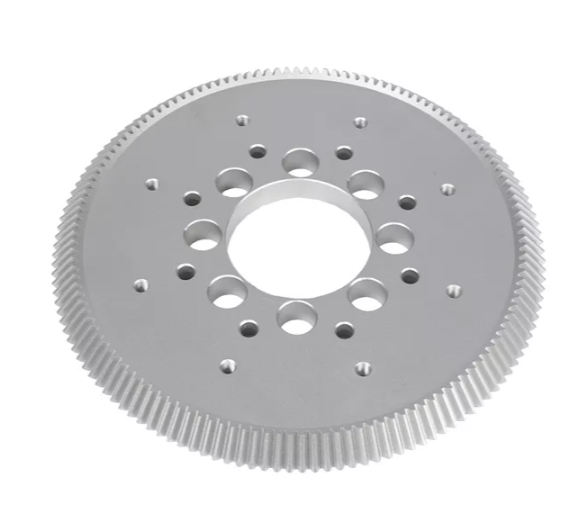
Standard gear modules (such as 1.5, 2.0, etc.) are typically the most cost-effective option, as they are widely used and supported by existing tooling and machining processes. Choosing a standard module significantly reduces the need for custom tooling, which can save time and money. For most industrial applications, selecting a standard module provides adequate performance and cost savings.
Custom gear sizes become necessary when standard modules cannot accommodate the design requirements, such as when specific center distances are required or when gears need to mesh with non-standard gears. However, these custom orders tend to come at a higher price due to the need for specialized tooling, additional machining time, and design complexity.
Labor costs can vary significantly depending on the region where gears are produced. Manufacturing gears in regions with lower labor costs can reduce the overall price of production. For example, countries with lower wages can provide significant cost savings compared to regions where labor costs are higher.
The price of raw materials used in custom gears, such as steel or aluminum, can fluctuate based on market conditions. When demand for certain materials increases, the price also tends to rise. It’s important for manufacturers to account for material price volatility when planning production, especially if the gear production relies heavily on specific materials.
The price of custom gears is influenced by multiple factors such as material selection, precision, surface treatments, and batch sizes. By evaluating these factors, manufacturers can make cost-effective decisions that meet performance requirements. When purchasing custom gears, it’s crucial to focus on the specific needs of your application. Avoid over-specifying features that increase costs. Collaborating with experienced manufacturers helps streamline the process and ensures cost-effective solutions.
Dongguan Yongfeng Gear Co., Ltd. offers high-quality custom gears that provide exceptional value, ensuring the best performance for various applications.
A: The price of custom gears is influenced by factors such as material selection, precision, surface treatments, batch sizes, and manufacturing complexity. Each of these elements plays a crucial role in determining the overall cost.
A: Material selection greatly affects the cost of custom gears. High-strength materials like alloy steel and stainless steel are more expensive compared to carbon steel or aluminum, but they offer better durability for specific applications.
A: Tight tolerances and high-precision requirements increase the manufacturing time and equipment needed, leading to higher costs. Custom gears requiring very precise dimensions will naturally be more expensive.
A: Larger batch sizes can reduce the cost per custom gear by spreading setup and tooling costs across more units. Small batch orders, on the other hand, usually result in higher unit costs due to fixed manufacturing expenses.
A: Yes, custom gears are generally more expensive due to the specialized design, materials, and tooling required. However, they provide unique performance benefits and can be tailored to specific applications.


