
Views: 0 Author: Site Editor Publish Time: 2025-12-25 Origin: Site


Have you ever wondered why some gears last longer than others under heavy loads? The answer lies in their pressure angle. This often-overlooked factor plays a pivotal role in gear strength and durability.
In this article, we’ll explore how pressure angles impact the performance of gears, particularly for custom gear designs. You’ll learn how selecting the right angle can drastically improve gear reliability and service life.
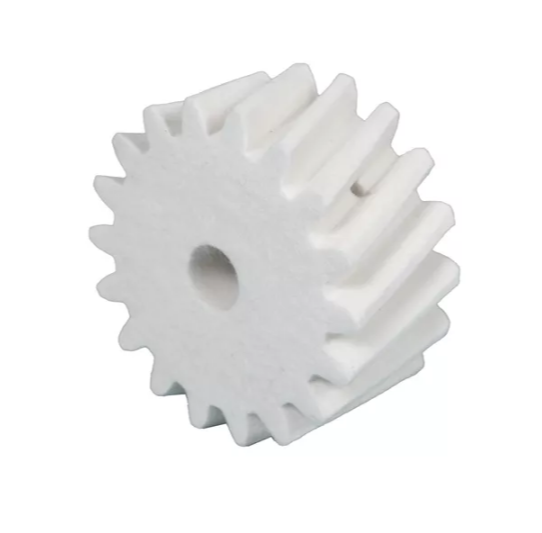
A pressure angle is the angle formed between the tooth profile normal and the direction of motion at the meshing point of two gears. In simpler terms, it's the angle at which the gear teeth make contact and transfer force. The pressure angle influences how force is distributed across the gear teeth during operation, impacting the efficiency, strength, and durability of the gear.
For standard gears, common pressure angles are typically 14.5°, 20°, and 25°. These angles define the shape of the tooth profile and determine how the forces are transferred. While smaller pressure angles (like 14.5°) result in smoother operation, larger angles (such as 25°) provide greater strength under heavy loads, making them ideal for high-torque or high-load applications.
The choice of pressure angle also dictates the load-carrying capacity of the gear, with higher pressure angles being better suited for handling larger forces. It's essential to understand the trade-offs involved, as changing the pressure angle can have significant consequences on gear performance and wear.
| Pressure Angle | Tooth Thickness | Load Capacity | Suitability | Strength | Noise Level | Efficiency |
|---|---|---|---|---|---|---|
| 14.5° | Thinner | Lower | Noise-sensitive applications | Lower | Low | High |
| 20° | Balanced | Moderate | General industrial use | Moderate | Moderate | Moderate |
| 25° | Thicker | Higher | High-torque, heavy-duty applications | Higher | High | Low |
The pressure angle directly impacts both the strength and load capacity of the gear. A larger pressure angle increases the tooth thickness, making the gear more robust and capable of withstanding higher loads. However, this comes at the cost of increased radial forces, which can place additional strain on bearings and other supporting components. While the gear teeth become stronger, the increased radial load requires careful consideration of the surrounding system design, especially bearings and housings.
In contrast, a smaller pressure angle leads to a thinner tooth profile, which may decrease the gear's ability to withstand heavy loads but can reduce bearing strain and improve smoothness. Smaller pressure angles also tend to offer higher efficiency since they create less sliding friction between the teeth, which can be beneficial in applications where energy consumption is critical.
For instance, gears with a 20° pressure angle are often ideal for most industrial applications, providing a good balance between strength and load-bearing capacity. On the other hand, gears with a 25° pressure angle are better suited for high-load applications but can introduce more stress on the bearing system, which must be designed to accommodate these forces effectively.
A 20° pressure angle is commonly considered the "sweet spot" for balancing durability and strength in most industrial gear applications. It provides optimal tooth engagement, minimizing wear while offering sufficient load-carrying capacity. Gears with a 20° pressure angle are versatile, making them suitable for a wide range of applications, including automotive, industrial machinery, and robotics. Their balanced characteristics make them the go-to choice for general-purpose gears.
The key benefit of a 20° pressure angle is its ability to distribute the load evenly across the tooth profile, reducing the risk of premature failure due to excessive stress on specific areas of the gear. This ensures that gears operate efficiently over a long lifespan, even under variable load conditions, making them ideal for industries that rely on reliable, long-term performance.
A 25° pressure angle is typically chosen for applications that require higher torque capacity. The increase in tooth thickness at this angle provides enhanced bending strength, making it ideal for heavy-duty applications such as construction machinery, mining equipment, and high-torque industrial machinery. These applications often involve significant shock loads or sustained high loads, where the ability to withstand bending and shear forces is critical.
However, while the 25° angle offers greater strength, it also increases radial forces. This can result in higher bearing loads and more noise, which should be considered in the design process. Gears with a 25° pressure angle may be more suitable for slow-speed, high-load operations but may not perform as efficiently at high speeds. Therefore, engineers must carefully assess the operational conditions to determine whether the additional strength justifies the trade-offs in noise and bearing load.
For noise-sensitive applications, such as in precision machinery or audio equipment, a 14.5° pressure angle is often preferred. It creates a smoother gear engagement, reducing noise and vibration. While this angle sacrifices some strength and load capacity, it is well-suited for low-load applications that prioritize quiet operation, making it ideal for industries where noise reduction is a top priority, such as in consumer electronics, medical devices, and high-precision robotics.
Applications in consumer electronics, medical devices, and even precision automotive systems often opt for this pressure angle to enhance user experience without compromising operational efficiency. In these cases, the noise reduction and smoother operation outweigh the potential for reduced strength, making the 14.5° angle the optimal choice.
When selecting a pressure angle for gears, it is essential to consider the specific load and operating conditions of the application. For lighter loads and continuous operation, a 20° pressure angle is usually the best choice. It provides a reliable balance of performance, strength, and durability, ensuring that gears can handle typical industrial workloads without compromising efficiency or lifespan.
However, for high-load or intermittent operations, a 25° pressure angle may be necessary to ensure that the gears can handle the increased stress without failure. Conversely, in precision or noise-sensitive applications, the 14.5° angle is preferred for quieter performance, even if it reduces overall strength. By choosing the right pressure angle for the application, engineers can optimize gear performance while maintaining operational reliability.
| Application Type | Recommended Pressure Angle | Key Benefits | Trade-offs |
|---|---|---|---|
| Light Load, Continuous Operation | 20° | Balanced strength, durability | Moderate noise and bearing load |
| High Load, Intermittent Operation | 25° | High strength, suitable for heavy loads | Increased bearing load and noise |
| Precision or Noise-sensitive | 14.5° | Reduced noise, smoother operation | Lower strength, reduced load capacity |
For custom gear designs, engineers must select the appropriate pressure angle based on several factors, including the available space, torque requirements, and the desired lifespan of the gear. By adjusting the pressure angle, engineers can optimize gears for various industries, such as aerospace, automotive, and industrial automation.
In custom designs, pressure angle adjustments can be made to solve specific challenges. For example, if gear noise is a significant concern in an automotive transmission system, the pressure angle can be reduced to ensure smooth and quiet operation. Additionally, in applications with tight space constraints, higher pressure angles may be chosen to maximize gear strength while minimizing gear size.
Choosing the correct pressure angle not only impacts gear performance but also affects the manufacturing process. Gears with higher pressure angles, such as 25°, often require more precise cutting tools and machinery, increasing production time and complexity. Additionally, the higher the pressure angle, the more stress is placed on the bearings, which may require upgrades to the surrounding system components, such as shafts and housings.
It's essential to account for these manufacturing challenges when designing gears, as they can influence both lead times and production costs. In some cases, the additional manufacturing complexity required for gears with high pressure angles may not be justified by the performance gains, making it important to weigh the benefits against the increased production costs.
Selecting a higher pressure angle for gears often results in higher production costs. The need for specialized tools and precise manufacturing increases the overall expense. For example, gears with a 25° pressure angle require more intricate manufacturing steps to ensure proper engagement and load distribution, which can result in longer lead times and higher costs.
Conversely, gears with a 14.5° pressure angle are easier to produce due to their simpler geometry, but they may not provide the necessary strength for heavy-duty applications. In general, selecting the right pressure angle based on the specific needs of the application helps to balance production efficiency and cost-effectiveness.
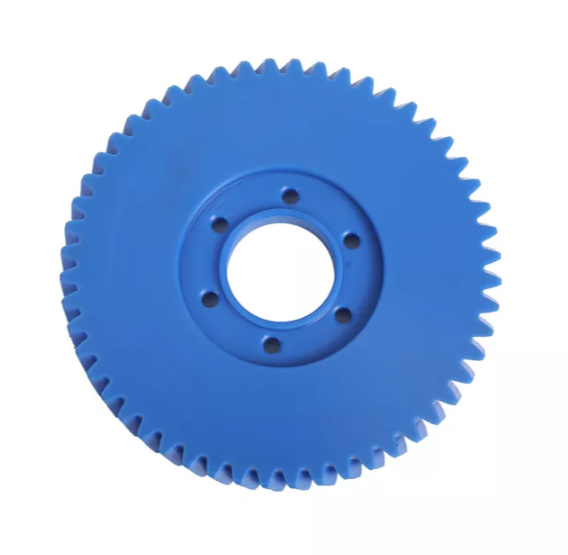
Gears subjected to continuous or high-load operations are prone to fatigue failure, where repeated stress can cause tooth cracking and failure. Increasing the pressure angle can improve fatigue resistance by making the tooth roots thicker and more resistant to bending. This makes gears with higher pressure angles more suitable for applications with high cyclic loads, such as heavy machinery and industrial systems that experience repeated shock or high-stress cycles.
While increasing the pressure angle improves strength and fatigue resistance, it is not always the most cost-effective solution. For many applications, material selection and surface treatments (such as case hardening or coating) provide more significant improvements in fatigue resistance than changing the pressure angle. These treatments can enhance the gear's ability to withstand stress without altering the geometry of the teeth, making them a more cost-efficient way to improve durability and lifespan.
Selecting the correct pressure angle is essential for optimizing gear strength and durability. A 20° pressure angle is typically ideal for most industrial applications. However, specific needs may require adjusting the angle for higher or lower loads. Engineers must carefully consider operational needs, load capacities, and noise factors when choosing the most appropriate pressure angle.
By understanding the relationship between pressure angles and gear performance, manufacturers can make informed decisions that balance cost, strength, and durability. The right pressure angle ensures efficient gear function, extended lifespan, and overall success in mechanical systems.
For businesses looking for high-quality gear solutions, Dongguan Yongfeng Gear Co., Ltd. provides exceptional custom gears that are engineered for precision and durability. Their products help optimize performance, reduce operational costs, and enhance overall reliability, offering great value for various industries.
A: A pressure angle is the angle between the tooth profile normal and the direction of motion at the meshing point of two gears. It directly affects the strength, load capacity, and durability of gears, especially in custom gear designs.
A: A larger pressure angle increases tooth thickness, making the gear more robust and able to handle higher loads. However, it also increases radial forces. This is crucial in custom gear designs for heavy-duty applications.
A: A 20° pressure angle is a balanced choice for most industrial applications. It provides optimal strength and durability while minimizing wear. This is ideal for custom gear solutions that need reliability and efficiency.
A: A higher pressure angle, such as 25°, improves durability by strengthening the tooth profile, making it suitable for heavy-duty and high-torque applications. Custom gear designs with a higher pressure angle offer better long-term performance.
A: Yes, gears with higher pressure angles often require more precision in manufacturing, increasing production costs. Custom gear designs with specific pressure angles may be more expensive due to complex production processes.


