
Views: 0 Author: Site Editor Publish Time: 2026-03-31 Origin: Site


Have you ever wondered why some gear systems experience unexpected jamming? Understanding gear backlash is crucial for engineers and designers. In this article, we’ll explore what gear backlash is, its importance, and common misconceptions. You’ll learn how real-world factors can impact zero-backlash gear designs and lead to operational issues.
Zero-backlash gear designs aim for precision, eliminating the gap between meshing teeth. However, they can jam during operation due to several real-world factors. Understanding these factors can help engineers design better systems that avoid jamming.
Heat Expansion: When gears operate, they generate heat, causing materials to expand. For instance, steel expands about 11.5 micrometers per meter per degree Celsius. This expansion can close the tiny clearances intended for smooth operation. If the temperature rises significantly, the gears can bind, leading to jamming.
Coating Buildup: Many gears undergo surface treatments like anodizing or hard chrome plating. These coatings, while protective, add thickness to the gear teeth. A buildup of just 5 micrometers on each side can eliminate the necessary backlash, resulting in interference between meshing teeth. If coatings are applied without re-measuring the effective tooth thickness, jamming can occur.
Tolerance Stack-Up: Even when individual components meet their specifications, the cumulative effect of manufacturing tolerances can lead to jamming. For example, if two bores are each held to ±0.01 mm, the center distance can close by 0.02 mm. This combined deviation can eliminate the intended clearance, causing the gears to seize under load.
Bearing Flex: Bearings and housings can shift slightly under load. This movement can tighten the mesh even further, exacerbating any existing issues with thermal expansion or coating buildup. If the assembly is not designed to account for these shifts, the risk of jamming increases.
Heat expansion is a critical factor in gear performance. When gears heat up during operation, they expand. This expansion can close the gap intended to allow for smooth engagement. Engineers often need to account for this thermal growth in their designs. It’s essential to set backlash as an operating-temperature value rather than a room-temperature target. For many precision gears, a total backlash of 0.015 to 0.025 mm at assembly is ideal. This allowance ensures that as the system reaches operating temperature, the gears can function without binding.
Coating buildup is another hidden cause of jamming. Many engineers may not realize that even thin coatings can significantly affect gear performance. For example, a 5-micrometer coating on each tooth flank can effectively erase the entire backlash allowance in fine-pitch gears.
To mitigate this risk, it's crucial to treat coatings as controlled dimensional layers. Before finishing, engineers should review the coating specifications and adjust the machining process accordingly. This proactive approach helps ensure that the gears still rotate freely at the target temperature after coating.
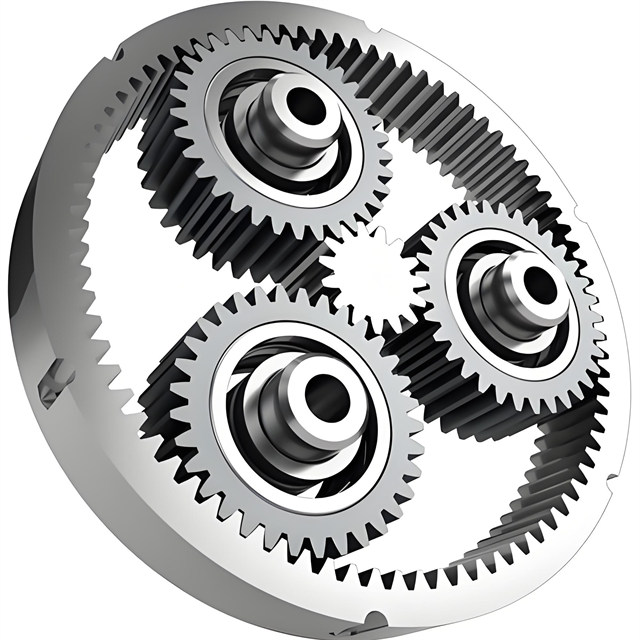
Manufacturing tolerances refer to the allowable deviations from specified dimensions in the production of gears. These tolerances are crucial in gear design, as they ensure that each component fits together correctly and functions as intended. In gear systems, even the smallest discrepancies can lead to significant issues, including jamming or excessive backlash.
Precision Matters: Gears must be manufactured to precise specifications. For example, a tolerance of ±0.01 mm is common in high-precision applications. This means the actual size can vary slightly from the intended dimension but must remain within that limit to ensure proper meshing.
Types of Tolerances: There are different types of tolerances, including dimensional tolerances, geometric tolerances, and form tolerances. Each type plays a role in how gears interact. Dimensional tolerances focus on size, while geometric tolerances ensure that the shapes are correct and meet design requirements.
Impact of Tolerances: If tolerances are too loose, gears may not mesh properly, leading to increased backlash. Conversely, if they are too tight, it can cause binding and jamming. Thus, finding the right balance is essential for optimal performance.
The cumulative effect of manufacturing tolerances can significantly influence gear performance. When individual components are manufactured with slight variations, these deviations can add up, impacting the overall assembly.
Tolerance Stack-Up: This term describes how small errors in individual components can accumulate. For instance, if two gears have tolerances of ±0.01 mm each, the total deviation can reach 0.02 mm, potentially closing the intended backlash gap.
Real-World Example: Consider a gear assembly where the center distance is critical. If the bores of two gears are each manufactured with a tolerance of ±0.01 mm, the actual center distance could vary by 0.02 mm. This can eliminate the necessary clearance, leading to jamming during operation.
Load Distribution: Proper tolerances help distribute loads evenly across gear teeth. If tolerances are not managed well, certain teeth may bear more load than others, causing uneven wear and premature failure.
To effectively manage tolerance stack-up and minimize its impact on gear performance, engineers can implement several strategies:
Design for Assembly: Consider how components will fit together during the design phase. Use simulation tools to predict how tolerances will interact when assembled.
Use of Shims: Shims can be added to adjust the center distance between gears. This allows for fine-tuning and helps maintain the desired clearance.
Precision Machining: Employ high-precision machining techniques to ensure tighter tolerances. This reduces the likelihood of excessive backlash or binding.
Regular Inspections: Implement routine inspections during the manufacturing process to catch any deviations early. This can prevent issues from compounding as production progresses.
Collaboration with Suppliers: Work closely with gear manufacturers to ensure they understand the importance of tolerances in your specific application. Clear communication can help prevent misalignment between design expectations and manufacturing capabilities.
Reducing gear backlash is crucial for enhancing the precision, efficiency, and longevity of gear systems. While some backlash is necessary to accommodate manufacturing tolerances and thermal expansion, excessive backlash can lead to inaccuracies and increased wear. Here are several strategies to minimize backlash effectively.
Precision manufacturing is key to reducing backlash. Here are some techniques:
Tighter Tolerances: Manufacturing gears with tighter tolerances minimizes the gap between meshing teeth. For high-precision applications, tolerances of ±0.01 mm are common. This ensures better engagement and reduces the play that contributes to backlash.
Quality Control: Implement strict quality control measures during production. Regular inspections can catch deviations early, ensuring gears meet design specifications consistently.
Advanced Machining: Utilizing advanced machining techniques, like CNC machining, can yield high precision. These techniques help in achieving the desired tooth profile and pitch, which are critical for proper meshing.
Regular lubrication and maintenance are essential for ensuring optimal gear performance. Here’s how to maintain gears effectively:
Lubrication Schedule: Establish a regular lubrication schedule to minimize wear. Proper lubrication reduces friction and allows gears to operate smoothly, preventing the development of excessive clearance over time.
Inspection for Wear: Regularly inspect gears for signs of wear or damage. Early detection can help prevent issues that lead to increased backlash.
Cleaning: Keep gears clean to prevent buildup of debris or contaminants that can affect performance. Regular cleaning helps maintain the integrity of the gear teeth.
Choosing the right materials can significantly impact backlash. Here are some considerations:
Low Thermal Expansion Materials: Opt for materials with low thermal expansion coefficients. For instance, using stainless steel or carbon-fiber-reinforced plastics can help minimize the effects of temperature changes on gear dimensions.
Durable Materials: Select materials that withstand wear and tear. High-quality materials can maintain their dimensions better over time, reducing the chances of backlash increasing due to wear.
Composite Materials: In some applications, composite materials may provide advantages in terms of weight and thermal stability. These materials can be beneficial in reducing backlash while maintaining strength.
Controlled backlash plays a crucial role in gear design, especially in applications where precision and reliability are paramount. Unlike zero backlash, which aims to eliminate all gaps between meshing gears, controlled backlash allows for a small, intentional clearance. This clearance is vital for several reasons:
Mitigates Jamming Risks: In real-world conditions, zero backlash can lead to jamming due to factors like thermal expansion and manufacturing tolerances. Controlled backlash accommodates these changes, ensuring smooth operation.
Enhances Lubrication: A small gap allows lubricant to flow freely between gear teeth, reducing friction and wear. This lubrication is essential for maintaining gear performance over time.
Accommodates Manufacturing Variations: Manufacturing processes are rarely perfect. Controlled backlash provides a buffer for minor discrepancies in gear dimensions, ensuring proper meshing and operation.
Facilitates Thermal Expansion: As gears heat up during operation, materials expand. Controlled backlash allows for this expansion, preventing binding that can occur in zero-backlash designs.
Improves Gear Longevity: By preventing excessive stress on gear teeth, controlled backlash can enhance the lifespan of gear systems. It reduces the likelihood of premature wear and failure.
Controlled backlash is not just about performance; it significantly contributes to the longevity of gear systems. Here’s how:
Reduced Wear: With a small clearance, gears can engage without excessive force. This reduces wear on the teeth, extending their operational life.
Consistent Performance: Gears designed with controlled backlash maintain consistent performance across varying loads and temperatures. This reliability is critical in applications like robotics and CNC machinery.
Lower Maintenance Costs: By minimizing wear and preventing failures, controlled backlash can lead to lower maintenance costs over time. Fewer breakdowns mean less downtime and reduced repair expenses.
Enhanced Load Distribution: Controlled backlash helps distribute loads evenly across gear teeth. This balanced load distribution prevents localized stress, which can lead to tooth damage.
Testing gear backlash is crucial for ensuring the performance and reliability of gear systems. When gears are assembled, it's essential to measure the backlash under operating conditions rather than just relying on static measurements. Here are some effective methods for testing gear backlash under load:
Dual-Flank Roll Testing: This method involves rotating a pair of meshed gears under light load. It measures the total effective backlash by observing how the gears engage and disengage. This test is particularly useful because it simulates real operating conditions, providing insights into how the gears will perform under actual loads.
Tooth Contact Analysis (TCA): TCA uses advanced software to model how gear teeth interact under load. It analyzes the contact patterns to identify potential interference or excessive backlash. This method allows engineers to visualize the performance of the gear system before physical testing, helping to prevent issues during operation.
Loaded Torque Measurement: This method applies a specified torque to the gear assembly while measuring the backlash. By comparing the angular displacement of the output gear to the input gear, engineers can determine the effective backlash under load. This technique is crucial for high-precision applications where even minor deviations can lead to significant performance issues.
Functional Testing: Functional tests involve running the gear assembly in its intended application to observe how it performs under actual operating conditions. This approach allows engineers to assess the impact of backlash on system performance, identifying any issues that may arise during normal operation.
Functional testing is vital for validating gear designs. Here’s why:
Real-World Conditions: It ensures that the gear assembly operates correctly under actual load and temperature conditions. Static measurements may not reveal issues that only arise during operation.
Identifying Hidden Problems: Functional tests can uncover problems like binding, excessive noise, or vibrations that might not be apparent during initial inspections.
Performance Verification: It confirms whether the gear system meets the specified performance criteria, ensuring reliability and efficiency in applications where precision is critical.
Feedback for Design Improvements: Results from functional testing can inform design modifications. If a gear assembly exhibits excessive backlash or jamming, adjustments can be made to improve performance in future iterations.
Interpreting backlash measurement results requires understanding the context of the test and the expected performance criteria. Here are some key points to consider:
Measurement Units: Backlash is typically measured in micrometers (µm) or millimeters (mm). Understanding the units will help in comparing results against specifications.
Expected Tolerances: Compare the measured backlash against the design specifications. If the measured backlash exceeds the acceptable limits, it may indicate issues with assembly, manufacturing tolerances, or thermal expansion.
Load Conditions: Consider the load conditions during testing. Backlash measurements should reflect the expected operational load to provide accurate insights into performance.
Contact Patterns: Analyze the contact patterns obtained from testing, especially if using TCA. Uneven wear or misalignment can indicate that adjustments are necessary to ensure optimal performance.
Historical Data: Compare current results to historical data from previous tests. Any significant deviations may warrant further investigation to identify potential causes.
Zero-backlash gear designs can jam due to heat expansion, coating buildup, and tolerance stack-up. These factors can close necessary clearances, leading to binding. Engineers must consider these real-world influences to enhance gear performance. Controlled backlash offers benefits, such as improved lubrication and load distribution. It helps mitigate jamming risks and extends gear longevity. For those seeking reliable gear systems, Yongfeng provides innovative solutions that prioritize performance and durability, ensuring optimal operation in various applications.
A: A zero-backlash gear design eliminates the gap between meshing teeth to achieve high precision in gear operation.
A: Heat expansion can cause gears to bind by closing the necessary clearances, leading to jamming during operation.
A: Gears can jam due to factors like heat expansion, coating buildup, tolerance stack-up, and bearing flex, which affect their smooth engagement.
A: Inspect for thermal expansion, check coating thickness, and verify manufacturing tolerances to identify and resolve jamming issues.
A: Controlled backlash mitigates jamming risks, enhances lubrication, accommodates manufacturing variations, and improves gear longevity.


