
Views: 0 Author: Site Editor Publish Time: 2026-03-31 Origin: Site


Have you ever wondered why your helical gears make noise even after grinding? This annoying issue can stem from various underlying problems rather than just poor design. In this article, we’ll explore the reasons behind gear noise and what you can do to minimize it. You’ll learn about common causes, the importance of alignment, and strategies to ensure smooth operation.
When your helical gears make noise after grinding, it often signals underlying issues rather than just a simple flaw in design. Noise can indicate misalignments in lead, helix, or contact introduced during the grinding process. If the grinding procedure is viewed merely as a cosmetic finish rather than a precision alignment task, the real causes of noise may go unnoticed.
For instance, a project we analyzed revealed that gears passed standard inspections but failed noise-vibration tests. The culprit was a minor lead drift caused by inconsistent wheel dressing during grinding. This highlights how finish accuracy alone doesn’t guarantee proper gear function.
Several factors can lead to noise in helical gears post-grinding:
Misalignment: If lead and helix angles are not verified after grinding, the gears may not mesh correctly. A slight deviation can lead to significant noise under load.
Surface Finish: Even gears with excellent surface finishes can be noisy if the tooth contact is not optimal. The contact path may shift due to improper setup or thermal drift during grinding.
Load Conditions: Gears may behave differently under load compared to static measurements. Noise can emerge only when gears are under operational stress.
Supplier Process Control: If a supplier lacks stringent process controls, variations in setup can lead to inconsistencies that manifest as noise.
The quality of a supplier’s process control is crucial. If they don’t verify lead and helix alignment after grinding, or if they skip load testing, you may receive gears that appear perfect on paper but perform poorly in practice.
For example, if a supplier only measures surface finish and neglects to test gears under load, any misalignment or micro-deflection will remain hidden until assembly. This can result in unexpected noise issues during operation, leading to costly downtime and rework.
To avoid these pitfalls, always inquire about your supplier’s process control measures. Ask for verification data on lead and helix alignment, and ensure they perform functional load tests. A supplier that prioritizes these checks will likely deliver quieter, more reliable gears.
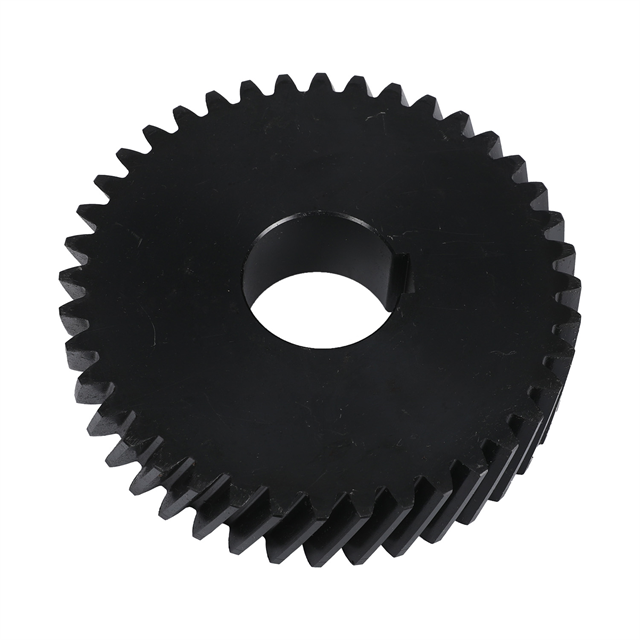
Precision grinding is often seen as the ultimate solution for achieving smooth, quiet gears. However, it might not always address the root causes of noise. Many manufacturers focus on achieving a high-quality surface finish, believing it will guarantee a quiet operation. Unfortunately, this approach overlooks critical factors such as lead and helix alignment.
A common misconception is that if the surface finish meets the required specifications, the gears will operate quietly. However, if the lead or helix angles are not correctly aligned, even the most polished gears can produce significant noise. For instance, a minor misalignment of just a few micrometers can lead to audible whine during operation. This misalignment can stem from various sources, including thermal expansion during the grinding process or improper setup.
Lead and helix alignment are crucial for the effective functioning of helical gears. These parameters dictate how gears mesh together. When gears are misaligned, they can experience uneven loading, leading to increased noise and wear.
For example, during the grinding process, if the wheel dressing is not consistent, it can cause lead drift. This drift may not be apparent during initial inspections, but it can lead to problems once the gears are under load. Therefore, it’s essential to verify both lead and helix alignment after grinding to ensure optimal performance.
While achieving a fine surface finish is important, testing gears under load is equally critical. Many manufacturers conduct static tests that only assess surface finish. These tests fail to reveal how gears will behave under operational conditions. When gears are subjected to dynamic loads, the contact patterns change, potentially leading to noise that static tests cannot detect.
For instance, if gears are tested only for surface finish, any micro-deflection or misalignment will likely go unnoticed until the gears are in actual use. This oversight can lead to costly downtime and rework, as the noise issues only become apparent under load.
To mitigate these risks, it’s advisable to implement functional load testing as part of the quality assurance process. This testing should be performed in a controlled environment to simulate real-world conditions. By doing so, manufacturers can identify potential noise issues before the gears are delivered, ensuring a smoother and quieter operation.
When it comes to helical gears, assessing quality is crucial. Several key metrics can help you determine whether your gears will perform well and operate quietly:
Surface Finish: A smooth surface reduces friction and noise. Look for Ra values (average roughness) that meet or exceed your specifications.
Lead and Helix Measurements: These metrics ensure the gears align properly. Misalignment can lead to excessive noise and premature wear.
Tooth Profile Accuracy: The shape of the tooth must match specifications closely. Any deviations can cause issues during meshing, leading to noise and vibration.
Backlash: This refers to the slight gap between gear teeth. Proper backlash is essential for smooth operation. Too little can cause binding, while too much can lead to noisy impact loads.
Load Capacity: Knowing the maximum load your gears can handle is vital. This information helps prevent failures during operation.
Choosing the right supplier is as important as assessing gear quality. Here are some tips on how to evaluate a supplier’s capabilities:
Process Control: Inquire about their process control measures. Do they have stringent protocols for verifying lead and helix alignment?
Inspection Techniques: Ask about their inspection methods. Do they use advanced gear analyzers? This equipment is essential for accurate measurements.
Testing Under Load: Ensure they perform functional load testing. This verifies how gears will behave under operational conditions and can reveal potential noise issues.
Documentation: Request documentation of their quality assurance processes. This should include inspection reports, measurement data, and any certifications they hold.
Experience and Specialization: Evaluate their experience in producing helical gears. A specialized gear shop often has better processes and equipment than a general machining shop.
Measurement standards are essential for ensuring consistency and quality in helical gears. Familiarize yourself with the following standards:
ISO 1328-1: This standard outlines the quality of gear teeth and provides a framework for measuring lead, helix, and tooth profile accuracy.
AGMA Standards: The American Gear Manufacturers Association sets various standards that help assess gear quality. These include guidelines for tooth profile, surface finish, and load capacity.
DIN Standards: The Deutsches Institut für Normung (DIN) provides additional guidelines, particularly for gear geometry and performance.
Traceability: Ensure that your supplier can trace their measurements back to recognized standards. This adds a layer of confidence in the quality of their products.
By focusing on these key metrics, evaluating supplier capabilities, and understanding measurement standards, you can ensure that your helical gears are of high quality and perform optimally, minimizing noise and maximizing reliability.
High-precision gears are essential for minimizing noise in helical gear systems. Precision grinding and careful machining help reduce errors in pitch, tooth profile, and lead. This accuracy ensures that the gears mesh smoothly, which is crucial for quiet operation. When gears are manufactured with tight tolerances, they exhibit better performance under load, resulting in less vibration and noise.
For example, a study showed that gears produced with a pitch error of less than 0.01 mm significantly reduced operational noise compared to those with higher tolerances. This highlights the importance of selecting suppliers who specialize in high-precision gear manufacturing.
The surface finish of helical gears plays a critical role in noise reduction. A smoother surface decreases friction between meshing teeth, which can otherwise lead to increased wear and noise. Techniques like grinding, honing, and lapping can enhance the surface finish, making it smoother and more conducive to quiet operation.
Implementing a process where gears are run in oil for a period can also help improve the smoothness of the tooth surface. This practice not only reduces noise but also extends the lifespan of the gears. Regular maintenance checks to assess and improve surface finish can prevent noise issues before they escalate.
Correct tooth contact and proper backlash are vital for the efficient operation of helical gears. Misalignment can cause uneven loading, leading to noise and premature wear. It's essential to ensure that the gears are properly aligned during installation. Using shims or adjusting mounting positions can help achieve optimal tooth contact.
Backlash, the slight gap between gear teeth, should also be within the specified limits. Too little backlash can lead to binding, while too much can cause jolting impacts, both of which contribute to noise. Regularly checking and adjusting backlash can help maintain smooth operation and minimize noise.
Increase Transverse Contact Ratio: A larger contact ratio lowers noise levels. Adjusting the tooth depth or decreasing the pressure angle can help achieve this.
Use High-Rigidity Gears: Increasing the face width can enhance rigidity, which reduces noise. Reinforcing the housing and shafts can also contribute to better noise control.
Implement Proper Lubrication: Sufficient lubrication is crucial. It reduces friction and wear, which are significant contributors to noise. Ensure the correct type of lubricant is used for the specific application.
By focusing on these strategies, manufacturers can significantly reduce noise in helical gears, leading to improved performance and a better end-user experience.
Understanding gear noise after grinding is crucial for optimal performance. Misalignment, surface finish, and load conditions can cause persistent noise in helical gears. Precision grinding alone may not resolve these issues. It's essential to verify lead and helix alignment and conduct load testing. If problems persist, consider switching to a specialized gear shop for better quality. Yongfeng offers high-precision gear solutions designed to minimize noise and enhance reliability. Their expertise ensures that your gears perform at their best.
A: Helical gears are a type of gear with teeth that are cut at an angle to the axis of rotation. This design allows for smoother engagement and transfer of power between the gears, resulting in quieter operation compared to other gear types.
A: Noise from helical gears post-grinding often indicates misalignment, improper tooth contact, or insufficient load testing during manufacturing, which can lead to operational issues.
A: To reduce noise, ensure proper alignment, improve surface finish, and maintain correct tooth contact and backlash. Regular maintenance and using high-precision gears can also help.
A: The cost of high-quality helical gears can vary based on materials, precision, and supplier capabilities. Investing in quality can reduce long-term costs associated with rework and downtime.
A: Assess the supplier's process control measures, inspection techniques, testing under load, and request documentation to ensure the helical gears meet quality standards.


