
Views: 0 Author: Site Editor Publish Time: 2025-12-30 Origin: Site


Have you ever wondered why your helical gears still make noise after grinding? Grinding is generally expected to reduce gear noise, but this is not always the case.
In this article, we will explore why helical gears often continue to produce noise post-grinding. You’ll learn about common issues such as misalignment, surface finish inconsistencies, and the impact of manufacturing processes. Additionally, we will offer effective solutions to help you achieve quieter, more efficient gear performance.
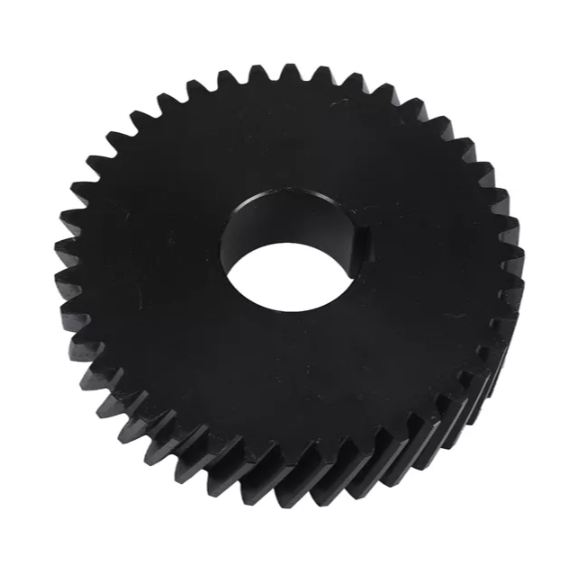
One of the most common reasons for noise in helical gears after grinding is misalignment in the lead and helix angles. These misalignments can occur during the grinding process when the gear teeth do not mesh perfectly, causing vibrations and unwanted noise. Misalignment can also result from thermal drift, where temperature fluctuations during grinding lead to slight geometry shifts, particularly after the gear has cooled.
Lead and Helix Misalignment: The lead angle refers to the angle at which the teeth spiral along the gear, while the helix angle dictates the direction of the tooth’s inclination. Misalignment of either angle during the grinding process can disrupt the engagement between the gear teeth, resulting in increased noise. This misalignment can be subtle but still noticeable under load.
Thermal Drift Effects: As gears cool down after grinding, slight shifts in their geometry can occur, causing the teeth to misalign slightly. This issue is often overlooked but can significantly impact the gear’s operation under load. The thermal effects may not be immediately visible, but they can lead to noticeable noise during normal operation once the gear has been installed in the machine.
To avoid these misalignments, ensure that temperature control is maintained throughout the grinding process to prevent thermal drift and ensure consistent gear geometry. Keeping the grinding environment stable and measuring gear alignment at multiple stages can reduce the risk of these issues.
Another critical cause of post-grind noise in helical gears is instability in the manufacturing process. When process controls are not carefully monitored, small errors during grinding or alignment can compound, leading to issues that are only detectable once the gears are under load. Often, these issues arise from failures in setup or alignment checks, which result in misalignment and noise.
Lack of Process Control: Inconsistent verification of gear alignment during the grinding process can result in misalignment that causes gears to run noisily. Without verifying alignment during different stages of grinding, minor discrepancies can accumulate, leading to noticeable noise when the gears are loaded.
Supplier Process Control Issues: Often, the root cause of the noise lies in lapses during the grinding or finishing stages, where suppliers may skip crucial checks, particularly the alignment between grinding passes. This oversight can lead to significant misalignments and noise that is only discovered when the gears are in operation.
Always request in-process lead and helix verification data from suppliers and ensure that they maintain stable setups throughout the grinding process. Suppliers who do not perform adequate alignment checks between grinding steps are more likely to deliver gears that will produce noise under load.
A seemingly perfect surface finish can still lead to noise if the tooth contact between helical gears is not properly aligned. Even when the gears appear smooth and polished, poor tooth-to-tooth contact can generate noise under load. Surface finish is essential, but it must be paired with proper geometry and alignment to ensure a smooth and quiet operation.
Surface Finish Problems: While a mirror-like finish may indicate a high-quality surface, if the teeth do not make consistent contact across their faces, noise is inevitable. Surface finish issues can result from incorrect grinding techniques or machine errors, which affect the teeth's ability to mesh correctly.
Contact Path Shifts: Small deviations in the contact path of the gear teeth—such as shifts towards the heel or toe—can cause tonal noises. This problem is typically a result of insufficient verification during grinding, leading to imperfect tooth engagement that generates noise under load.
To minimize noise, it's essential to conduct both surface finish measurements and tooth contact verification. Relying solely on one without the other can leave hidden issues unresolved. Tooth contact analysis, such as checking the alignment of the meshing teeth, can identify problems early on, helping to avoid noise in the final product.
| Cause of Noise | Description |
|---|---|
| Misalignment of Lead and Helix Angles | Leads to improper tooth engagement, causing vibrations and noise. |
| Thermal Drift Effects | Temperature fluctuations during grinding can lead to shifts in gear geometry. |
| Manufacturing Process Instability | Errors during grinding or alignment checks that result in misalignment. |
| Surface Finish Issues | Even with a smooth surface, improper tooth contact can cause noise. |
Load testing is critical in identifying noise issues that may not be apparent during surface finish measurements. Many manufacturers focus only on surface finish, overlooking the need to test the gears under operational load conditions. A gear may appear flawless, but when subjected to real-world conditions, misalignments and other issues often become apparent.
Lack of Load Testing: If a gear is not tested under load, potential misalignments or deflections will remain undetected until the gear is in use, often resulting in noise issues. Load testing helps identify noise-related problems that only emerge when the gear is under stress.
Overemphasis on Surface Finish: Some manufacturers make the mistake of equating perfect surface finish with overall gear performance, but without verifying geometry and alignment, the gear can still operate noisily under load. This can lead to premature wear and failure if not addressed.
Always ensure that load testing is part of the production process to identify any issues that surface finish measurements alone may not reveal. Load testing, when combined with thorough surface verification, can provide a comprehensive understanding of the gear’s performance and help resolve noise issues.
Backlash—the slight movement between meshing gear teeth—can also contribute to noise. If backlash is too large, it leads to vibration and increased noise under load. Proper bearing fit and preload adjustments are essential to reduce backlash and minimize misalignment.
Excessive Backlash: Backlash that exceeds the tolerance levels can cause gears to vibrate, producing noise. Tightening the backlash within acceptable limits helps reduce these vibrations and ensures smoother engagement between teeth. If backlash is excessive, gears may struggle to maintain constant engagement, resulting in unwanted noise.
Bearing Clearance and Preload Adjustments: Misalignment caused by improper bearing clearance can lead to excessive noise. Adjusting bearing preload to ensure proper alignment during operation can resolve many noise-related issues. Proper bearing preload helps reduce the deflection of gears, ensuring that they mesh smoothly and quietly under load.
Regularly check and adjust backlash and bearing fit to ensure optimal gear alignment and minimize noise. Proper bearing installation and preload are key components in reducing backlash and improving the performance of helical gears.
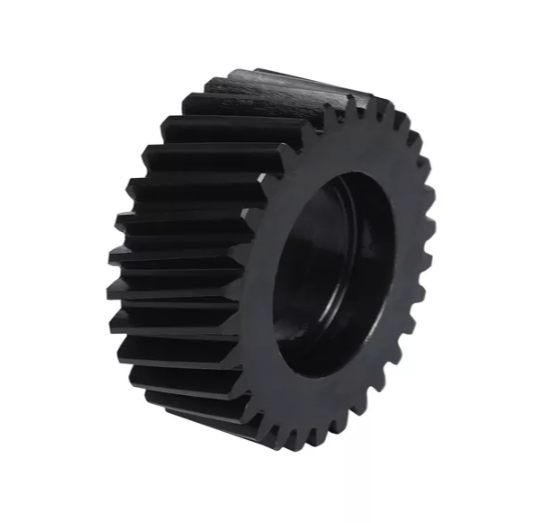
Improving the grinding process itself is essential to producing quieter helical gears. Ensuring proper thermal control, calibration, and alignment verification during grinding helps to maintain gear geometry and reduce post-grind noise. A controlled grinding environment reduces the risk of misalignments and ensures that the gear teeth remain consistently aligned.
Thermal and Process Control Enhancement: Implementing temperature stabilization during grinding minimizes thermal drift and ensures that gear teeth remain consistent. By controlling the temperature and using calibrated grinding wheels, it’s possible to reduce the effects of thermal expansion and contraction, which can lead to misalignment.
Alignment Verification and Testing: Multiple stages of alignment verification ensure that all aspects of the gear’s geometry are maintained during production. This step includes using precision measurement tools, such as coordinate measuring machines (CMM), to check the alignment of each gear tooth during and after grinding.
Investing in equipment and techniques that allow for precise alignment during grinding can prevent misalignment issues from developing. Verifying alignment multiple times throughout the process helps maintain the quality of the gears and prevent noise.
If noise persists despite initial grinding efforts, regrinding and additional load testing may be necessary to restore alignment and reduce noise. It’s important to perform these steps systematically to identify the underlying cause and correct it without introducing new issues.
Feasibility of Regrinding: In cases where misalignment or surface issues are detected, a regrind can help restore the gear’s geometry and reduce noise. However, regrinding should only be done when a detailed inspection shows that misalignment or surface issues are the primary cause of the noise.
Load Verification: Load testing after regrinding ensures that the gear runs quietly under real-world conditions, addressing any issues that were previously undetected. This verification ensures that the gears will function smoothly once they are installed in the application.
Regrinding should be considered only after a thorough audit of the gear's geometry and alignment. A controlled regrind can significantly improve noise performance and ensure the gear’s longevity.
Improving the surface finish of helical gears and optimizing lubrication are two critical steps in reducing noise. A smoother surface allows for better tooth contact and less friction, while the right lubricant reduces friction between the gears, minimizing wear and noise.
Improving Surface Finish: Achieving a surface finish of Ra 1.6 µm minimizes friction and noise. This can be done through precision grinding or polishing techniques, ensuring a smooth and consistent surface that supports quiet operation.
Lubrication Improvements: Using the appropriate lubricant for the gear’s operating conditions can reduce noise significantly by providing a stable lubrication film. Lubricants with high viscosity stability help reduce friction, ensuring quieter and more efficient gear performance.
Using synthetic lubricants with high viscosity stability helps prevent breakdown under high-speed conditions, which reduces noise and prolongs gear life. This improvement can be a simple yet effective solution to ensure the smooth operation of helical gears.
| Solution | Description |
|---|---|
| Optimizing Grinding Process Control | Maintaining thermal control and alignment checks to reduce misalignments. |
| Regrinding and Load Testing | Regrinding to restore gear geometry and performing load testing for verification. |
| Improving Surface Finish and Lubrication | Ensuring proper surface finish and using the right lubricant to reduce friction. |
Noise in helical gears after grinding is often due to misalignment, thermal drift, improper backlash, and surface finish issues. Addressing these problems through process control, regrinding, and load testing can help reduce noise. By verifying alignment, improving grinding precision, and optimizing lubrication, you can ensure quiet and efficient operation.
Regular assessments of your gear production process will help identify noise issues early, reducing costly rework. Proactive measures are essential for achieving optimal performance.
At Dongguan Yongfeng Gear Co., Ltd., we provide high-quality gears that help eliminate noise and improve performance. Our precision gears offer unmatched durability and reliability for a wide range of industrial applications.
A: The noise in helical gears after grinding is often caused by misalignment, thermal drift, improper backlash, or surface finish issues. These problems can affect tooth engagement, leading to vibrations and noise. Proper process control and load testing can help reduce such noise.
A: To prevent noise, ensure precise alignment during grinding, optimize the surface finish, and check for backlash and bearing fit. Load testing and verifying gear geometry can help identify potential issues early, ensuring quieter gear operation.
A: A poor surface finish can cause improper tooth contact, leading to noise and wear in helical gears. Even with a smooth appearance, misaligned teeth can create friction, resulting in unwanted vibrations. Proper polishing and lubrication are essential for quiet performance.
A: Thermal drift during grinding can lead to slight geometry shifts in helical gears. This misalignment affects tooth engagement, causing noise. Maintaining stable temperature control during the grinding process minimizes the risk of thermal drift and ensures accurate gear geometry.
A: The cost of reducing noise in helical gears involves improving the grinding process, conducting load testing, and using high-quality lubricants. These steps may require investment in better equipment and regular maintenance but result in quieter, more durable gears that reduce long-term maintenance costs.
A: Yes, custom gears can be tailored to meet specific operational requirements, ensuring better alignment and surface finish. Custom gears made to precise specifications can help minimize noise and improve the overall performance of mechanical systems.


