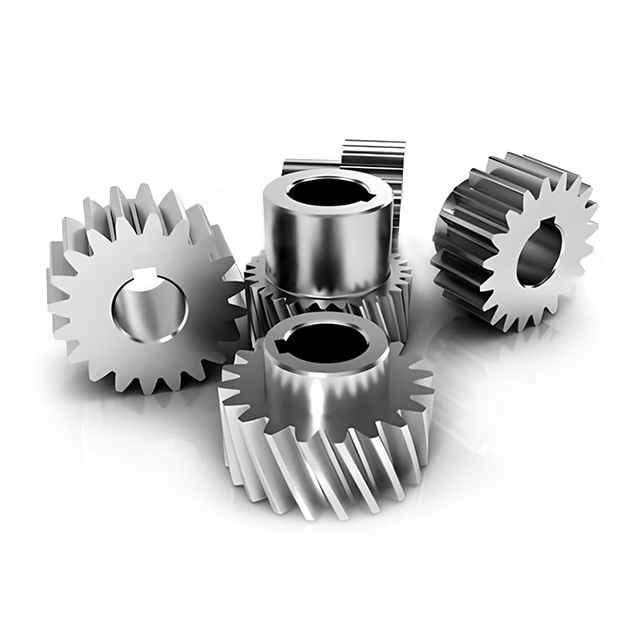
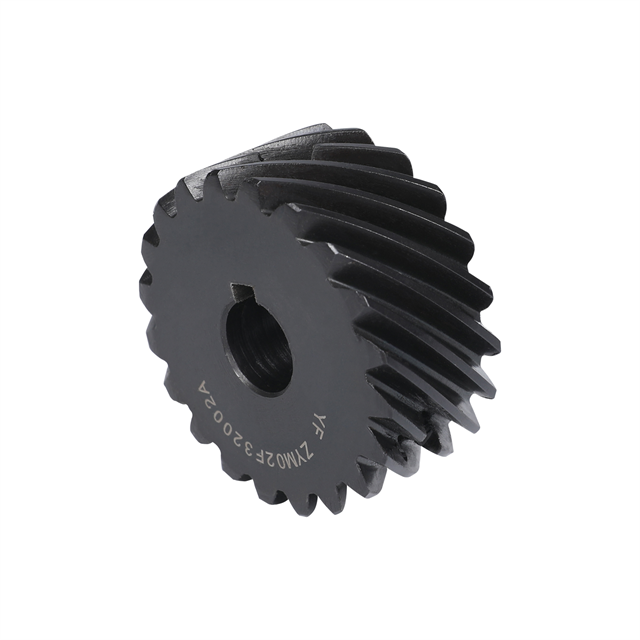
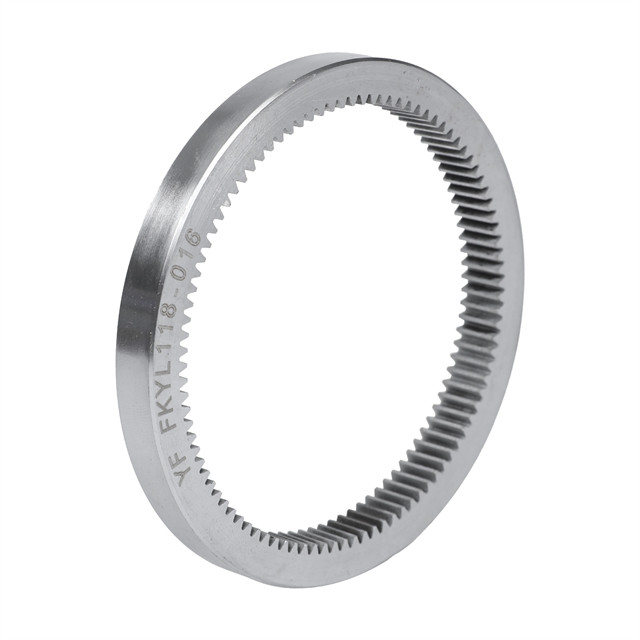
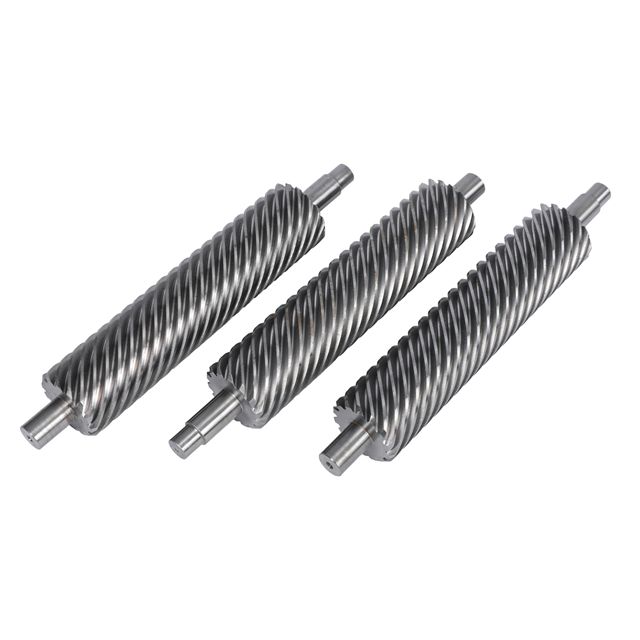
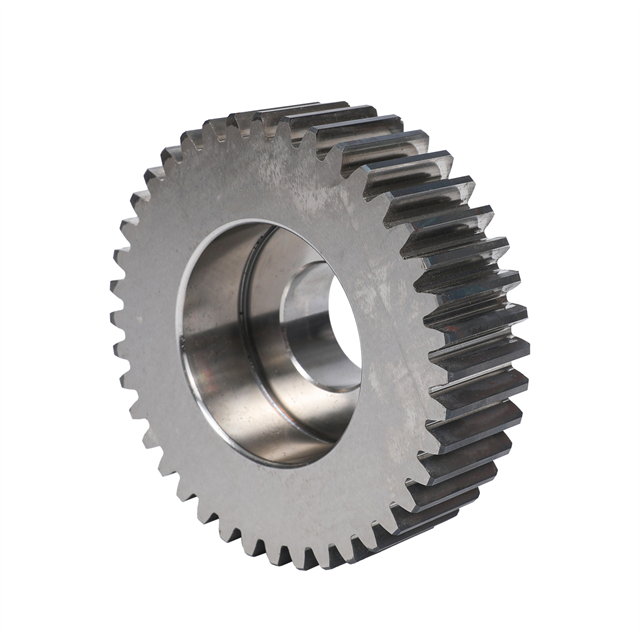
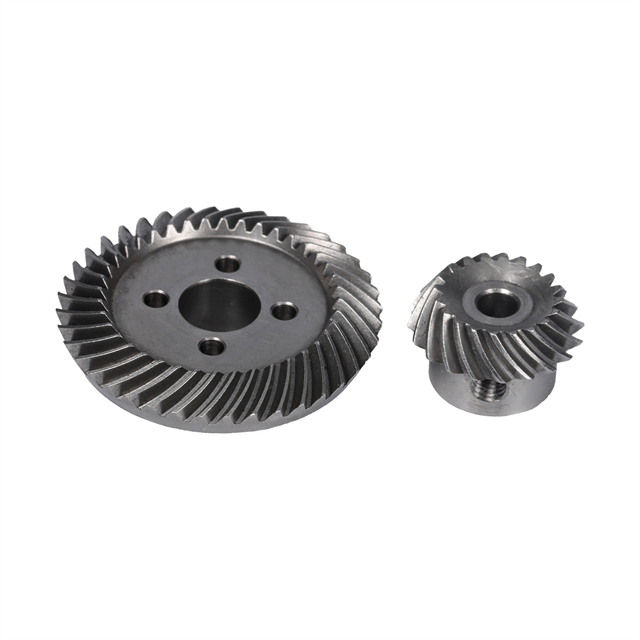
Motion transfer in mechanical systems relies heavily on the precise engagement of teeth, which function as sequential levers. When the driving plastic spur gear rotates, its precisely molded teeth push against the driven gear, initiating smooth rotation. The gear ratio directly dictates the speed and torque relationship; a higher ratio decreases rotational speed while multiplying torque output.
By utilizing a scientifically calculated tooth contact ratio and a standard 20° pressure angle, these polymer components significantly enhance single-tooth torque transmission efficiency. This specific geometry ensures that the engagement produces a muted, subtle clicking sound rather than the harsh grinding typical of metal alternatives. The optimized contact mechanics effectively distribute mechanical stress, preventing tooth breakage even when subjected to demanding load conditions during continuous operation.
The fundamental material composition dictates the operational lifespan and reliability of motion components. Moving away from traditional steel, these gears are engineered from premium industrial plastics, specifically Polyoxymethylene (POM) and Polyketone (PK).
POM provides an exceptionally smooth, low-friction surface finish that feels slick to the touch. This inherent property drastically reduces operational noise and mechanical vibration, making it an excellent alternative for environments requiring quiet operation. Its rigid molecular structure resists deformation under continuous stress.
Polyketone introduces outstanding wear resistance and chemical stability. When exposed to harsh solvents or continuous friction, PK maintains its dimensional integrity without degrading or emitting chemical odors. The combination of these engineered polymers results in components that resist corrosion naturally, entirely eliminating the rust concerns associated with traditional iron gears.
Traditional mechanical drives require stringent lubrication schedules to prevent catastrophic failure, often resulting in environments filled with the heavy scent of industrial grease. In contrast, engineered polymer gears feature profound self-lubricating characteristics that fundamentally alter maintenance protocols.
By reducing the reliance on external greases, these components ensure consistent thermal dissipation and prevent the localized heat generation that typically accelerates mechanical degradation.
Engineered to perform in conditions where standard materials fail, these plastic spur gears demonstrate remarkable environmental adaptability. They maintain strict dimensional stability across a broad thermal spectrum, operating reliably from a freezing -40°C up to an intense +140°C without becoming brittle or overly malleable.
This thermal resilience is paired with complete water resistance. Unlike metallic parts that oxidize when exposed to moisture, these polymer gears function flawlessly in submerged underwater equipment or humid processing facilities. Their resistance to chemical degradation makes them highly suitable for aggressive industrial environments where exposure to cleaning agents, mild acids, or alkaline solutions is frequent. Whether integrated into specialized fluid handling pumps or outdoor mechanical assemblies, they deliver uninterrupted power transmission without the risk of environmental compromise.
Achieving exact mechanical synchronization requires uncompromising manufacturing standards. The production process combines precision injection molding with advanced secondary CNC machining. This dual-method approach allows for the creation of customized inner bores and complex keyways while ensuring the external tooth profile remains flawlessly consistent across thousands of units.
| Manufacturing Aspect | Technical Execution |
|---|---|
| Microgeometry Optimization | Careful adjustment of tip relief and root fillets to eliminate stress concentration points. |
| Batch Consistency | Automated molding parameters guarantee absolute uniformity in large-scale production runs. |
| Load Distribution | Optimized helix angles and contact patterns ensure forces are spread evenly across the tooth surface. |
These design innovations directly address the evolving demands of modern mechanical systems, providing a lightweight yet highly durable alternative to traditional motion transfer components.
Reliability in industrial applications stems from verifiable production standards. The entire manufacturing workflow is strictly governed by the ISO9001 quality management system, ensuring that every operational step is documented and standardized.
Material safety and environmental compliance are prioritized, with all polymer resins meeting international SGS, CE, and RoHS/REACH directives. This guarantees the absence of hazardous substances, making the gears safe for integration into sensitive equipment. Furthermore, a comprehensive traceability system tracks each batch from the initial raw plastic pellet sourcing through to the final dimensional inspection. By utilizing advanced optical measurement tools, technicians verify the exact pressure angle and pitch diameter, ensuring that any deviation is immediately identified and corrected before the components leave the facility.
Successful project integration requires more than just physical components; it demands comprehensive technical backing. To facilitate efficient system integration, engineers have access to detailed torque parameter tables, comprehensive PDF specification guides, and highly accurate 2D/3D CAD models. This technical infrastructure allows development teams to virtually test and validate the gear performance within their specific assemblies prior to physical implementation.
When transitioning to physical delivery, the logistics network is optimized for international commercial procurement. Components are securely packed in specialized anti-damage wooden crates or reinforced custom cartons, specifically designed to withstand the rigors of global transit. Complete documentation, including precise HS Code declarations and customs paperwork, is provided to ensure swift and secure border clearance, guaranteeing that project timelines remain strictly on schedule.