
Views: 0 Author: Site Editor Publish Time: 2025-11-10 Origin: Site


When it comes to high-speed applications, the gear type you choose is crucial. Spur gears stand out as one of the best options for efficient power transmission in these scenarios. In this article, we'll explore how spur gears excel in high-speed environments. We’ll cover their design, performance advantages, and why they are often the go-to choice for industries requiring reliable and fast power transfer.
Spur gears are often the go-to choice for high-speed applications. Their simple design and efficiency in transferring power make them highly suitable for systems that demand fast rotational speeds. Here’s why spur gears stand out in high-speed environments:
Spur gears have a few key characteristics that make them an excellent choice for high-speed operations:
● Straight Tooth Design: The teeth on spur gears are straight and aligned parallel to the axis of rotation. This ensures maximum engagement between mating gears, reducing energy loss.
● Minimal Energy Loss: Their design provides a high contact ratio, allowing them to transfer power efficiently without wasting energy, even at higher speeds.
● Low Maintenance: Due to their simple design, spur gears are easier to maintain and inspect compared to more complex gear types.
Spur gears are designed for durability and optimal performance in high-speed applications:
● Precision Manufacturing: Tight tolerances and smooth tooth surfaces ensure smooth meshing, reducing friction and wear. This precision helps spur gears maintain reliable performance at high speeds.
● Efficient Power Transmission: Their full tooth engagement ensures energy is efficiently transmitted, avoiding slip and reducing the potential for loss in power.
● Material Choices: Spur gears are often made from high-quality materials such as forged alloy steel, which are treated for durability and wear resistance. This helps them withstand the heat and friction produced in high-speed applications.
Feature | Benefit in High-Speed Use |
Straight Teeth Design | Ensures maximum engagement and efficiency |
Minimal Energy Loss | Transfers power effectively with low waste |
Precision Manufacturing | Reduces friction and ensures smooth operation |
High-Quality Materials | Improves durability and wear resistance |
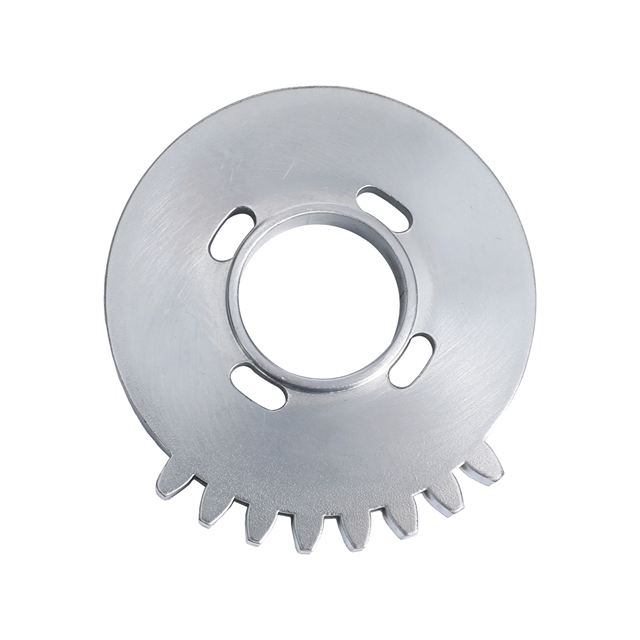
Spur gears are widely known for their ability to efficiently transmit power in various mechanical systems. Their simple yet effective design allows them to transfer power seamlessly, especially in high-speed applications. Let's explore how this power transmission works and how it remains efficient, even at high speeds.
Spur gears work through the direct meshing of their teeth, which are aligned parallel to the axis of rotation. As one gear turns, its teeth engage with the teeth of the adjacent gear, transferring rotational motion and power. The simplicity of this design allows for smooth and effective power transfer.
● Full Tooth Engagement: When the gears mesh, their teeth make full contact. This ensures a steady and consistent power transfer with minimal disruption.
● Direct Power Flow: The straight teeth create a straightforward path for energy, reducing the risk of power loss due to irregular tooth engagement.
At high speeds, energy loss can be a significant issue. However, spur gears minimize this loss through their design and efficient meshing. Here's how:
● High Contact Ratio: The teeth on spur gears engage fully, ensuring a higher contact ratio. This reduces slippage, which can lead to energy loss.
● Smooth Operation: Precision manufacturing ensures tight tolerances and smooth tooth surfaces, minimizing friction and wear. The smoother the gear teeth mesh, the less energy is wasted.
● Reduced Vibration: Proper alignment and tooth crowning prevent excessive vibration, which can lead to energy dissipation. By controlling vibration, spur gears operate more efficiently.
Feature | Benefit to Power Transmission |
Full Tooth Engagement | Ensures steady, consistent power transfer |
High Contact Ratio | Reduces energy loss through slippage |
Precision Manufacturing | Minimizes friction and maximizes efficiency |
Vibration Control | Prevents energy dissipation due to instability |
Tip: By optimizing these factors, spur gears provide efficient power transmission, especially in high-speed applications, where energy loss could otherwise limit performance.
In high-speed systems, maintaining stability and minimizing vibration are crucial for optimal performance. Any form of instability or excessive vibration can lead to power loss, excessive wear, or even system failure. Spur gears, thanks to their design and material optimizations, excel at controlling these factors, making them a top choice for high-speed applications.
Spur gears are designed with specific features to control vibration and maintain stability during operation. One of the most important of these features is tooth crowning.
● Tooth Crowning: Tooth crowning refers to the slight curvature applied to the gear teeth. This curvature ensures that the teeth make uniform contact with their mating gears, even when slight misalignments occur due to manufacturing tolerances or operational stresses. By improving the distribution of forces across the teeth, tooth crowning reduces the risk of uneven wear, vibration, and noise.
● Precise Meshing Alignment: The alignment between the teeth of spur gears plays a significant role in maintaining stability. When gears are properly aligned, the contact between their teeth is smooth and consistent, reducing unnecessary shock loads. A misalignment, even by a small degree, can lead to uneven tooth engagement, increasing vibration and wear.
Tip: The combination of tooth crowning and precise meshing alignment helps ensure that spur gears operate smoothly, even at high speeds. It also prolongs the lifespan of the gears by reducing the forces that lead to premature failure.
In addition to design features, the materials used in spur gears are also critical for vibration control and overall system stability. High-quality materials combined with advanced treatments significantly enhance performance in high-speed applications.
● Carburizing and Hardening: Carburizing is a heat treatment process in which the surface of the gear is infused with carbon. This results in a hardened outer surface while maintaining a more ductile core. This process increases the gear's wear resistance, which helps reduce vibrations caused by wear and tear. It also improves the gear's ability to withstand high-impact forces, contributing to greater stability during operation.
● Surface Grinding and Polishing: After gears are manufactured, they undergo grinding and polishing processes to ensure smooth tooth surfaces. Smoother surfaces reduce friction during meshing, which in turn reduces vibrations. This treatment ensures that the gears engage efficiently, without creating unwanted noise or energy loss.
● Forged Alloy Steel: High-performance spur gears are typically made from forged alloy steel, which is known for its strength and durability. This material can endure the stresses of high-speed operation and maintain stability over time. Alloy steels often undergo treatments like surface hardening to further improve their vibration-dampening properties.
Material Treatment | Benefit to Stability and Vibration Control |
Carburizing and Hardening | Increases wear resistance and reduces vibrations |
Surface Grinding and Polishing | Reduces friction, leading to smoother meshing |
Forged Alloy Steel | Provides strength and vibration resistance |
In high-speed mechanical systems, managing axial thrust is crucial for the longevity and efficiency of the system. Axial thrust is the force exerted along the axis of a rotating shaft, and it can cause significant stress on bearings and supporting components. Spur gears, however, are designed to generate minimal axial thrust, which plays a vital role in reducing wear and maintaining system integrity.
Spur gears are particularly efficient in managing axial thrust because of their straight-tooth design. Unlike helical gears, which have inclined teeth that generate greater axial forces, spur gears operate in a way that minimizes this thrust.
● Straight Teeth Design: The teeth of spur gears are aligned parallel to the axis of rotation. This alignment ensures that the force generated during the meshing of gears is directed along the axis of rotation rather than perpendicular to it. As a result, there is minimal axial force exerted on the shaft and bearings, reducing the load on these critical components.
● No Axial Force Generation: Since spur gears do not have angled teeth, they do not push against each other in the axial direction, unlike helical gears. This lack of axial force helps reduce stress on bearings, which are designed to support radial forces rather than axial ones. By reducing the axial load on the bearings, spur gears improve the system’s overall performance and reliability.
● Longer Bearing Life: Bearings experience less stress, which means they last longer and require less maintenance. This reduces the risk of downtime and repairs, leading to a more cost-effective operation.
Minimal axial thrust is not only beneficial for reducing stress on bearings but also plays a crucial role in maintaining the integrity of the entire system.
● Enhanced Stability: With lower axial forces, spur gears help maintain the alignment and stability of the shaft and gears. This stability is essential in high-speed applications, where even small misalignments can lead to inefficiency or mechanical failure.
● Reduced Wear and Tear: By minimizing the axial force, spur gears reduce the overall wear on the gears themselves and other system components. This results in smoother operation, less vibration, and fewer repairs. Components like shafts, housings, and bearings experience less wear, ensuring longer operational life.
● Improved Efficiency: Lower axial thrust means there’s less need for additional components to manage or counteract the thrust. This simplifies the design and reduces the overall cost of the system, while also improving its efficiency. Systems that require fewer compensatory parts are generally more reliable and easier to maintain.
Spur gears’ ability to minimize axial thrust contributes significantly to the overall stability, reliability, and longevity of high-speed systems. By reducing stress on bearings and supporting components, they ensure that systems can operate smoothly for longer periods, making them a popular choice in applications where durability is critical.
To achieve optimal performance in high-speed applications, spur gears rely on carefully selected materials and precision manufacturing methods. These factors directly impact their efficiency, durability, and reliability. Let’s take a closer look at the materials used in spur gears and the manufacturing processes that help them excel in high-speed environments.
The materials chosen for spur gears are critical for ensuring they can withstand the extreme conditions of high-speed operations. Here’s a breakdown of the most common materials used:
● Forged Alloy Steel: This is one of the most commonly used materials for spur gears. It is known for its strength, durability, and resistance to wear. Forged alloy steel is ideal for high-speed applications, as it can endure the high forces and friction generated by rapid rotation. Surface treatments such as carburizing are often applied to further enhance its properties, making it even more resistant to wear and fatigue.
● Carburized Steel: Carburizing is a heat treatment process where the surface of the gear is enriched with carbon, making it harder and more wear-resistant. The core remains softer, providing flexibility and strength. This material is perfect for high-speed applications where the surface of the gear is subject to constant friction and wear.
● Stainless Steel: Stainless steel is occasionally used for spur gears in specific environments where corrosion resistance is required. It’s not as strong as forged steel, but it is highly resistant to rust and oxidation, making it ideal for industries like food processing or marine applications.
● Bronze and Brass: While less common for high-speed applications, bronze and brass are sometimes used for gears in lighter-duty systems. They have good corrosion resistance and self-lubricating properties, which can reduce the need for external lubrication in certain environments.
Manufacturing processes are as critical as the materials used in spur gears. Precision manufacturing ensures that each gear operates at maximum efficiency, especially in high-speed applications where performance and reliability are paramount.
● CNC Machining: Computer Numerical Control (CNC) machining allows for the production of gears with tight tolerances and smooth surfaces. This precision ensures that the gears mesh perfectly, minimizing friction and energy loss during operation. CNC machines can create complex geometries with high accuracy, which is crucial for maintaining performance in high-speed environments.
● Grinding and Polishing: After the gears are cut, they undergo grinding and polishing processes to achieve extremely smooth surfaces. This reduces friction and wear during meshing, ensuring the gears operate smoothly at high speeds. By minimizing surface roughness, the gears can engage more effectively, reducing vibration and noise.
● Heat Treatment and Surface Hardening: Heat treatment processes, such as induction hardening and carburizing, are used to enhance the surface hardness of spur gears. These treatments allow the gears to resist wear, pitting, and deformation under high-speed conditions. Surface hardening processes ensure the gears maintain their structural integrity while minimizing energy loss due to friction.
● Tooth Crowning: Tooth crowning, or the slight curvature applied to the gear teeth, is another key manufacturing process that improves performance. It ensures uniform load distribution across the teeth, reducing wear and extending the life of the gear. It also helps reduce vibration and noise during operation, which is especially important at high speeds.
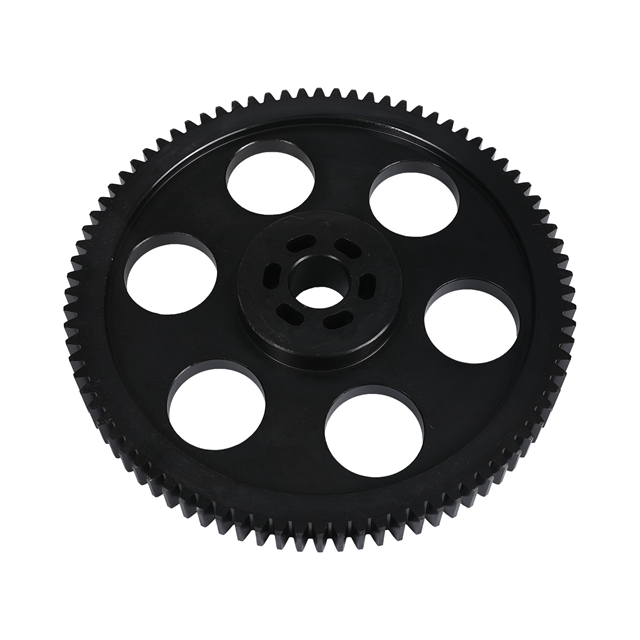
Spur gears play a crucial role in numerous high-speed applications across various industries. Their simple yet highly effective design makes them ideal for systems requiring reliable power transmission at high speeds. Let's take a closer look at how spur gears are applied in real-world scenarios and explore examples from industries like robotics, automotive, industrial machinery, and power transmission.
Spur gears are widely used in high-speed applications due to their ability to transfer power efficiently and reliably. Here’s how they perform in different industries:
● Robotics: Spur gears are essential in robotics, particularly in high-torque, high-speed motor modules. For example, in competitive robotics, such as robot football or firefighting robots, spur gears ensure strong power output without slipping. Their design allows for precise, quick movements that are critical in robotic competitions.
● Automotive: In the automotive industry, spur gears are used in transmission systems, where they handle rapid rotational speeds. They are commonly found in gearboxes, where they transfer power between the engine and the wheels. Spur gears in automotive systems ensure smooth and efficient operation, even at high speeds.
● Industrial Machinery: Spur gears are integral to industrial machinery, including high-speed conveyors, pumps, and fans. They are used in applications where consistency and reliability are key. The smooth power transfer of spur gears in these systems helps ensure that operations run efficiently, even under heavy loads or fast-moving parts.
● Power Transmission: Spur gears are often employed in power transmission systems, where they efficiently transfer power between parallel shafts. They are found in various machines, including generators and motors. Their ability to handle high-speed rotation with minimal energy loss makes them ideal for power generation and transmission applications.
When choosing the right gear for high-speed applications, spur gears often stand out as the best option. While other gear types like helical gears, bevel gears, and worm gears may be considered, spur gears offer distinct advantages in specific scenarios. Let’s compare spur gears with other common gear types and explore why they are often the more cost-effective and efficient solution.
Spur gears have several unique features that make them more suitable for high-speed applications compared to other gear types:
● Simple Design: The straightforward design of spur gears, with teeth parallel to the axis, makes them easy to manufacture. This simplicity results in fewer potential failure points and smoother performance under high-speed conditions.
● Higher Efficiency: Spur gears offer minimal energy loss compared to other gear types. Because of their tooth alignment, they achieve full tooth engagement during meshing, ensuring efficient power transmission with less friction and heat generation.
● Minimal Axial Thrust: Unlike helical gears, which produce axial thrust due to their angled teeth, spur gears generate little to no axial load. This reduction in axial thrust leads to lower stress on bearings and supporting components, increasing the longevity and stability of the system.
● Less Vibration: Spur gears tend to produce less vibration than other gear types, especially helical gears. The lack of angular teeth ensures smoother operation, which is critical at high speeds where vibration can cause damage or energy loss.
● More Cost-Effective: Spur gears are typically cheaper to produce than other gear types like helical or bevel gears. Their simple design and manufacturing process reduce material costs and labor expenses, making them an affordable choice for high-speed applications.
Spur gears are often the go-to choice in high-speed systems due to their cost-effectiveness. Here’s why they are frequently chosen over more complex gear types:
● Lower Manufacturing Costs: Spur gears are easier and faster to manufacture than helical or bevel gears. Their straight teeth and simpler design mean less machining is needed, which lowers production costs.
● Reduced Maintenance Costs: Spur gears are simple to maintain because they have fewer components and less complexity compared to other gear types. Their reliability in high-speed systems means less frequent replacements and repairs, reducing long-term maintenance costs.
● No Need for Additional Components: Spur gears do not require additional components to manage axial thrust, unlike helical gears, which often need thrust bearings. This simplifies the system design and reduces the overall cost of the gear assembly.
● Better Performance for the Price: Despite being more affordable, spur gears often outperform more expensive gear types in high-speed applications due to their efficiency and ability to operate with minimal energy loss. This makes them a more cost-effective solution without sacrificing performance.
Spur gears are ideal for high-speed applications due to their efficiency, simplicity, and minimal energy loss. Their design ensures smooth power transfer, reduced vibration, and low axial thrust. These features make spur gears reliable in industries like robotics, automotive, and power transmission. Yongfeng provides high-quality gears that offer exceptional performance and value. Their products help optimize operations, making them a trusted choice for various industrial needs.
A: Spur gears are ideal for high-speed applications because their simple design reduces energy loss and ensures efficient power transmission. They also minimize axial thrust, which reduces stress on supporting components.
A: Spur gears provide reliable, high-speed power transfer in robotics and automotive applications. Their durability and efficiency ensure smooth operation even in high-torque, high-speed environments.
A: Spur gears are more cost-effective due to their simple design and easy manufacturing process. They require fewer materials and less complex production methods, reducing overall costs.
A: In power transmission systems, spur gears reduce energy loss, improve efficiency, and provide stable, reliable power transfer at high speeds, making them essential for smooth operations.


