
Views: 0 Author: Site Editor Publish Time: 2026-03-31 Origin: Site


Have you ever wondered why some steel gears last longer than others? The secret often lies in their hardness. In this article, we’ll explore the importance of HRC hardness in steel gear applications. You’ll learn how it affects performance, wear resistance, and longevity in various mechanical systems.
HRC stands for Hardness Rockwell C, a scale used to measure the hardness of materials, particularly steel. It is essential in determining how well a material can withstand wear, deformation, and other mechanical stresses. The HRC scale uses a diamond cone indenter that applies a specific load—typically 150 kgf—to create an indentation in the material. The depth of this indentation is then converted into an HRC value, where a deeper indentation corresponds to a softer material (lower HRC) and a shallower indentation indicates a harder material (higher HRC).
To determine HRC values, the testing process involves several steps:
Preparation: The steel specimen is placed on a flat surface anvil.
Minor Load Application: A minor load is applied to seat the indenter properly.
Major Load Application: The major load (150 kgf) is applied using the diamond cone indenter.
Measurement: After removing the load, the final indentation depth is measured. The machine then converts this depth into an HRC value.
This method is widely accepted in various industries, ensuring a consistent approach to measuring hardness.
Selecting the right HRC value is crucial for steel gears. Different applications require specific hardness levels to achieve optimal performance. For instance, automotive gears typically fall within the 30–45 HRC range, balancing machinability and wear resistance. In contrast, cutting tools may require hardness levels between 55–62 HRC for enhanced durability.
The HRC value influences several factors:
Wear Resistance: Higher HRC values generally indicate better wear resistance, which is essential for gears that undergo constant friction and stress.
Fatigue Strength: Harder materials tend to have improved fatigue strength, allowing them to endure cyclic loading without failure.
Machinability: While higher hardness improves performance, it can complicate machining processes, necessitating careful consideration during material selection.
Understanding the HRC hardness scale helps engineers and manufacturers choose the right materials for their specific applications, ensuring longevity and reliability in mechanical systems.
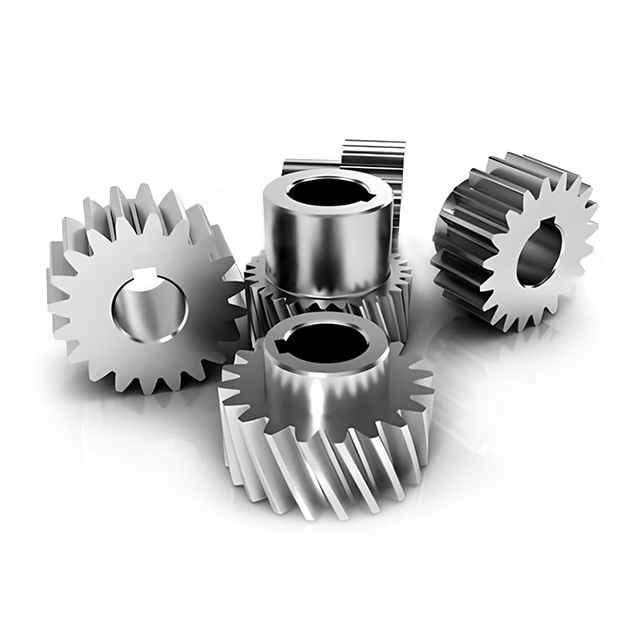
When it comes to steel gears, understanding the typical HRC hardness ranges is essential for ensuring optimal performance across various applications. The HRC (Hardness Rockwell C) scale provides a numerical representation of hardness, which directly relates to how well a gear can withstand wear, fatigue, and other mechanical stresses.
Different applications require specific hardness levels for steel gears. Here are some common HRC ranges:
20–30 HRC: Generally found in mild steels and structural components. These gears are suitable for low-stress applications where high wear resistance is not critical.
30–45 HRC: This range is typical for automotive parts and gears. It strikes a balance between machinability and wear resistance, making it ideal for components subjected to moderate wear.
45–55 HRC: Common in machinery components and general tools, gears in this range offer improved durability and are suitable for more demanding applications.
55–62 HRC: Found in cutting tools and knife blades, this range provides exceptional hardness and wear resistance, making it suitable for high-performance applications.
62–68 HRC: High-speed steels and tool steels fall within this range, offering maximum hardness for specialized applications requiring extreme durability.
Different industries have varying requirements for gear hardness. For instance, the automotive industry typically favors gears in the 30–45 HRC range to ensure a balance of strength and machinability. In contrast, aerospace applications might lean towards higher HRC values (45–55 HRC) to withstand greater mechanical stresses and fatigue.
The manufacturing sector may also dictate specific hardness requirements based on the intended use of the gears. For example, gears used in heavy machinery may require hardness levels closer to 55–62 HRC to handle the rigors of constant use.
The HRC value significantly influences gear performance and longevity. Higher HRC values generally correlate with enhanced wear resistance, allowing gears to maintain their shape and functionality over extended periods. This is particularly crucial in applications where gears experience constant friction and load.
Moreover, higher hardness often translates to improved fatigue strength. Gears that can withstand cyclic loading without failure are essential for ensuring the reliability of mechanical systems. However, it’s important to note that while higher hardness offers benefits, it may also lead to challenges in machining and production costs.
When it comes to steel gears, higher HRC (Hardness Rockwell C) values can offer several significant benefits. Understanding these advantages is crucial for engineers and manufacturers aiming to enhance gear performance in various applications.
One of the primary benefits of higher HRC values is improved wear resistance. Gears operate under constant friction, which can lead to material degradation over time. A higher HRC indicates a harder material, which generally translates to better resistance against wear. This is particularly important in applications where gears are subjected to high loads and abrasive conditions. For example, gears used in heavy machinery or automotive transmissions benefit from higher hardness levels, as they can maintain their shape and functionality longer, reducing the frequency of replacements and repairs.
Higher HRC values also contribute to enhanced fatigue strength. Fatigue strength refers to a material's ability to withstand cyclic loading without failure. In mechanical systems, gears often experience repeated stress during operation. A steel gear with a higher hardness can endure these cyclic loads more effectively, minimizing the risk of catastrophic failure. This is especially critical in applications like aerospace and automotive industries, where reliability is paramount. For instance, gears in aircraft engines or high-performance vehicles must withstand extreme conditions without compromising safety.
The overall performance of mechanical systems can significantly benefit from using gears with higher HRC values. Harder gears can improve the efficiency of power transmission, as they are less prone to deformation under load. This means that energy loss due to friction is minimized, leading to better fuel efficiency in vehicles and reduced operational costs in industrial machinery. Additionally, higher hardness can lead to quieter operation, as harder materials tend to produce less noise during engagement. This is particularly desirable in applications where noise and vibration control are critical, such as in electric vehicles or precision machinery.
However, while the benefits of higher HRC are clear, it’s essential to balance hardness with other factors, such as machinability and cost. Gears that are too hard may become challenging to manufacture and machine, leading to increased production costs and potential delays. Therefore, it’s vital to consider the specific application requirements and the trade-offs involved when selecting the appropriate HRC for steel gears.
Hybrid steels are emerging as a promising alternative to traditional gear steels, offering unique properties that enhance gear performance. These innovative materials combine the benefits of various steel compositions, addressing some of the limitations faced by conventional gear steels. For instance, hybrid steels can achieve high hardness levels while minimizing issues such as distortion during heat treatment.
Traditional gear steels typically rely on carburizing and rapid quenching to reach maximum hardness. While effective, this process often results in distortion due to uneven cooling, which can compromise the dimensional accuracy of gears. In contrast, hybrid steels utilize a different approach. They achieve hardness through precipitation hardening, which occurs at elevated temperatures without the need for a fast quench. This method significantly reduces the risk of distortion, making hybrid steels an attractive option for manufacturers.
Additionally, hybrid steels can be designed to maintain desirable mechanical properties at elevated temperatures. This is particularly important for applications in industries like automotive and aerospace, where gears must perform reliably under high-stress conditions. By minimizing distortion and enhancing performance at elevated temperatures, hybrid steels can lower production costs and improve the overall quality of gear systems.
The advantages of hybrid steels extend beyond just reduced distortion. They also offer improved fatigue resistance, which is crucial for gears subjected to cyclic loading. This characteristic is essential in applications where reliability and longevity are paramount.
Another notable benefit is the potential for reduced weight. Hybrid steels often have a lower density compared to traditional gear steels, making them suitable for applications where weight reduction is critical, such as in electric vehicles. This weight advantage can contribute to improved fuel efficiency and overall performance.
Moreover, hybrid steels exhibit enhanced corrosion and oxidation resistance due to their unique composition. This property is beneficial in environments where gears are exposed to harsh conditions, further extending their service life.
Testing the HRC (Hardness Rockwell C) hardness of steel gears is crucial for ensuring they meet performance standards in various applications. Accurate hardness testing provides insights into the material's ability to withstand wear and mechanical stress, directly influencing gear reliability and longevity.
The most common method for testing HRC hardness involves the Rockwell hardness test. This process utilizes a diamond cone indenter to create an indentation in the steel gear. Here’s a step-by-step overview of how the HRC testing is performed:
Preparation: The steel specimen is placed securely on a flat anvil surface.
Minor Load Application: A minor load is applied to properly seat the indenter in the material.
Major Load Application: The major load, typically 150 kgf, is applied using the diamond cone indenter.
Measurement: Once the load is removed, the depth of the indentation is measured. The testing machine then converts this depth into an HRC value.
This method is widely accepted across industries for its reliability and accuracy.
Accurate hardness testing is vital for quality assurance in gear manufacturing. It ensures that the steel gears meet the necessary hardness specifications for their intended applications. For example, gears used in high-stress environments, such as automotive or aerospace industries, must possess specific HRC values to ensure they can withstand the demands of their operating conditions.
By adhering to precise HRC standards, manufacturers can:
Predict Performance: Knowing the hardness helps predict how the gear will perform under operational stress.
Reduce Failures: Accurate testing can identify soft spots or inconsistencies in hardness, reducing the risk of gear failure.
Enhance Longevity: Properly hardened gears are less likely to wear out quickly, leading to longer service life and reduced maintenance costs.
In addition to traditional Rockwell testers, modern industries increasingly utilize portable hardness testers. These devices allow for on-site testing, enabling manufacturers to verify hardness without transporting heavy equipment. Portable testers are particularly valuable for:
Quick Assessments: They provide immediate feedback on hardness levels, facilitating rapid decision-making.
Field Applications: On-site testing is essential for maintenance teams who need to assess gear conditions in real-time.
Versatility: Many portable testers can measure various hardness scales, making them adaptable for different materials and applications.
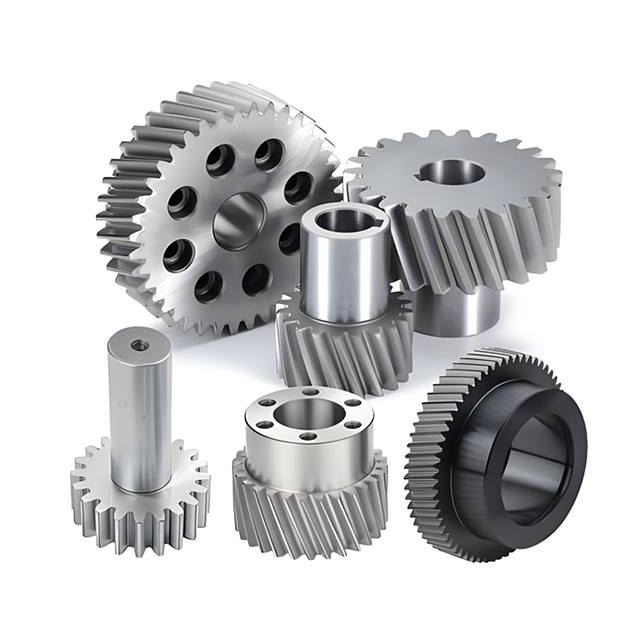
This article highlighted the significance of HRC values in steel gears. Higher HRC values improve wear resistance and fatigue strength, enhancing overall performance. Selecting the appropriate HRC range is crucial for optimizing gear functionality. Future trends may focus on hybrid steels that reduce distortion and improve properties. Companies like Yongfeng offer high-quality steel gears designed to meet specific hardness requirements, ensuring durability and reliability in various applications. Their products provide exceptional value, making them a preferred choice in the industry.
A: HRC stands for Hardness Rockwell C, a scale that measures the hardness of steel gear, indicating its ability to withstand wear and mechanical stress.
A: Higher HRC values in steel gear enhance wear resistance and fatigue strength, improving overall performance in demanding applications.
A: Choosing the appropriate HRC for steel gear ensures optimal performance, longevity, and reliability in various mechanical systems.
A: Steel gear applications typically range from 20–68 HRC, depending on the specific demands of the application.
A: Yes, producing high HRC steel gear can lead to increased costs due to expensive raw materials and challenging machining processes.


