
Views: 0 Author: Site Editor Publish Time: 2025-12-11 Origin: Site


Have you ever wondered why zero-backlash gears, designed to eliminate any play, sometimes jam in operation? Despite their crucial role in precision applications, like robotics and medical devices, these gears are not immune to operational challenges.
In this article, we will explore the reasons behind gear jamming in zero-backlash systems. You will learn how factors like thermal expansion and coating buildup can affect performance. By the end, you’ll understand how to prevent these issues and optimize your custom gear designs for long-term reliability.
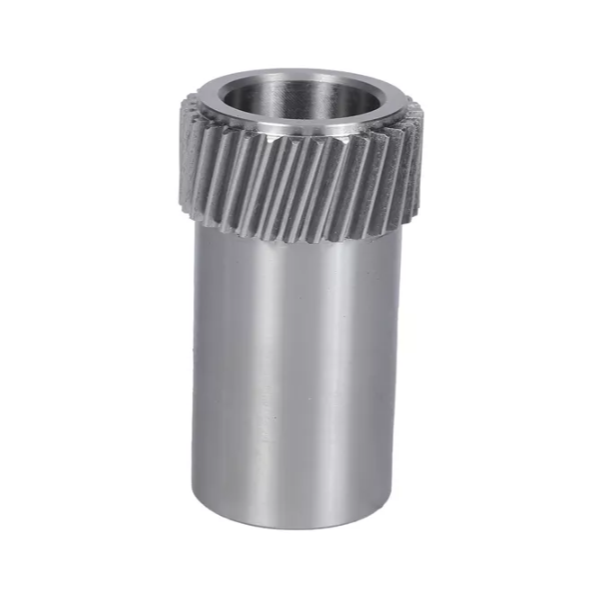
One of the primary reasons zero-backlash gears jam is thermal expansion. Materials tend to expand when heated, and this includes all the components in a gear assembly. Even if gears are manufactured to tight tolerances, temperature changes can cause the components to expand, reducing the tiny clearance necessary for proper rotation. As the temperature increases, gears can become too tight, causing them to interfere with each other, which leads to jamming.
For instance, when a 100 mm steel center distance experiences a 20°C temperature rise, it expands by about 24 µm. This expansion can easily eliminate a backlash allowance of 10-20 µm, which is typical for precision gears. When this happens, the clearance between the teeth disappears, and the gears no longer rotate freely, resulting in interference and a jam. To avoid this, it’s essential to factor in thermal expansion when designing gears by setting backlash values that account for the entire operating temperature range.
| Material | Temperature Increase (°C) | Expansion per Meter (µm) | Impact on Backlash (µm) |
|---|---|---|---|
| Steel | 20 | 24 | Reduces backlash by 10-20 µm |
| Aluminum | 20 | 22 | Reduces backlash by 8-15 µm |
| Titanium | 20 | 18 | Reduces backlash by 6-12 µm |
| Plastic (Nylon) | 20 | 30 | Reduces backlash by 15-25 µm |
Surface coatings such as electroless nickel, anodizing, or hard chrome are commonly used to improve the hardness, corrosion resistance, and overall durability of gears. However, these coatings can build up on the tooth flanks, increasing their thickness and potentially eliminating the necessary backlash. Even a thin 5 µm coating on each side can significantly reduce the backlash allowance enough to cause interference under load.
This issue is particularly noticeable in high-precision gears where even minor changes in geometry can lead to serious operational issues. If these coatings are not properly accounted for in the design, the extra thickness can push the gear teeth too close together, resulting in jamming during operation. Always factor coating thickness into your design specifications and verify the final tooth geometry after coating to ensure the proper clearance is maintained. Additionally, ensure the coating process is controlled and within the tolerance limits.
| Coating Type | Thickness per Side (µm) | Total Impact on Backlash (µm) | Resulting Gear Clearance |
|---|---|---|---|
| Electroless Nickel | 5 | 10 | Reduced clearance by 10 µm |
| Hard Chrome | 7 | 14 | Reduced clearance by 14 µm |
| Anodizing | 3 | 6 | Reduced clearance by 6 µm |
| Phosphate Coating | 2 | 4 | Minimal impact |
Tolerance stack-up refers to the accumulation of small errors or deviations in the dimensions of individual components during assembly. Even when each part is within spec, the combined deviation can cause the overall assembly to have too little clearance. For example, if two bores are each held to ±0.01 mm tolerance, the center distance between the gears may shrink by 0.02 mm. This small reduction can close the gap required for smooth meshing and lead to interference between the gears.
The problem arises because most machining shops focus on individual components' tolerances rather than considering how these deviations combine in the final assembly. Therefore, while each part may meet its tolerance requirements, the cumulative effect of all the parts' deviations can cause the gears to mesh too tightly, resulting in jamming. During the design and manufacturing phases, always consider tolerance budgeting to ensure that the combined deviations of all components are accounted for, maintaining the proper backlash clearance. It’s crucial to perform a full inspection of the final gear assembly to check for mesh clearance before installation.
Even slight shifts in bearings or housings during operation can have a significant impact on gear meshing. Gears operate under forces that can cause movement in supporting components like bearings or housings, which in turn can tighten the gear mesh. Over time, these shifts can result in the loss of necessary clearance between gear teeth, leading to interference and potential jamming.
Bearings or housings can shift due to factors such as temperature-induced expansion, wear, or changes in the load conditions. This subtle movement can cause even the most precisely designed gears to become too tight, leading to binding and the inability to rotate freely. Regularly verifying the position of bearings and housings during assembly can help ensure that they remain stable and properly aligned throughout the operational life of the gear system. Tightening tolerances and ensuring that housing components are securely positioned can help maintain optimal gear clearance.
While true zero backlash is often considered ideal, it’s difficult to achieve in practice due to the expansion of materials at different temperatures. As the materials expand, the required clearance for backlash decreases, causing the gears to mesh too tightly. This is particularly noticeable in metal gears, where the material’s coefficient of thermal expansion can lead to significant changes in gear fit.
Steel gears, for example, expand at approximately 11.5 µm/m·°C. This means that even small changes in temperature can result in noticeable shifts in gear alignment, reducing the intended backlash. Over time, this leads to increased friction, wear, and, ultimately, jamming. Instead of targeting zero backlash, consider using controlled backlash designs. These provide a small, intentional gap that compensates for material expansion and temperature-induced changes. It ensures smoother operation and reduces the risk of jamming.
| Material | Coefficient of Expansion (µm/m·°C) | Typical Gear Size (mm) | Expansion at 20°C (µm) |
|---|---|---|---|
| Steel | 11.5 | 100 | 24 |
| Aluminum | 22 | 100 | 44 |
| Titanium | 9.0 | 100 | 18 |
| Nylon | 30 | 100 | 60 |
Load-induced stress also plays a significant role in reducing backlash. When gears are under load, they experience deformation due to the applied forces. This deformation can cause misalignment between the gear teeth, further reducing the clearance and increasing the likelihood of interference. These changes are often not accounted for in the initial design phase, as gears are typically tested in static, unloaded conditions.
Always perform functional tests on gears under real-world load conditions to ensure that the backlash remains adequate during operation. Using dual-flank rolling tests and torque measurements will allow you to assess the gear behavior under load and make necessary adjustments to prevent jamming. Testing gears under actual operational conditions helps identify potential problems before they become critical.
In many applications, controlled backlash offers greater reliability than absolute zero backlash. A small, controlled backlash allows for slight movement between teeth, which absorbs the effects of thermal expansion, coating buildup, and load-induced stress. This adaptability makes the gear system more reliable, as it can better handle changes in temperature, load, and material deformation.
By using controlled backlash, gears experience less strain and are less likely to jam under operational conditions, leading to improved system performance and longevity. Consider using a controlled backlash of 0.015–0.05 mm for precision gear designs. This range strikes a balance between accuracy and operational reliability, ensuring smooth operation without the risk of jamming.
When designing gears, it's important to account for temperature changes and the buildup of coatings. By pre-allocating space for thermal expansion and coating thickness, designers can ensure that the backlash remains functional throughout the gear’s operational life. Furthermore, designing gears with a small intentional clearance can help maintain smooth operation and avoid interference, even in dynamic environments.
Always request coating compensation data from your suppliers to ensure the correct tooth geometry after coating, and factor in temperature compensation into your design specifications. This will help avoid clearance issues caused by coating buildup and thermal changes.
Dimensional checks alone cannot guarantee that gears will function correctly under real-world conditions. It is crucial to test gear systems under load and temperature variations to ensure they maintain proper backlash. Functional testing allows you to verify that the gear teeth mesh smoothly and do not interfere under real-world stresses, helping to identify potential issues before they become critical.
Before finalizing gear designs, request functional-fit tests or backlash-torque measurements from your supplier to ensure gears will rotate freely under operational conditions. This will help identify and resolve any potential issues early in the design process.
Suppliers often face challenges when meeting zero-backlash specifications due to the physical limitations of manufacturing processes. Even with tight tolerances, small deviations in gear geometry, material expansion, and coating thickness can lead to interference. Furthermore, many suppliers may fail to simulate the effects of these factors during the quoting process, which can result in gear systems that fail to meet performance expectations once in operation.
Ensure that your suppliers perform mesh simulations and thermal growth analysis before machining. This will help verify that the designed backlash will be maintained under real-world conditions and prevent unexpected jamming. Having a clear understanding of these factors during the quoting phase can avoid costly mistakes during production.
Many suppliers may not fully understand the critical nature of backlash in precision gear systems. While they may meet nominal specifications, they often overlook how temperature, coating, and tolerance deviations affect gear mesh under load. This misunderstanding can lead to assembly failures or excessive wear over time.
Communicate clearly with your suppliers about the need for functional testing and mesh verification before delivery, particularly for precision applications. Make sure they are aware of your specific backlash requirements to avoid costly mistakes during production. A thorough understanding of backlash tolerance will help suppliers meet expectations more accurately.
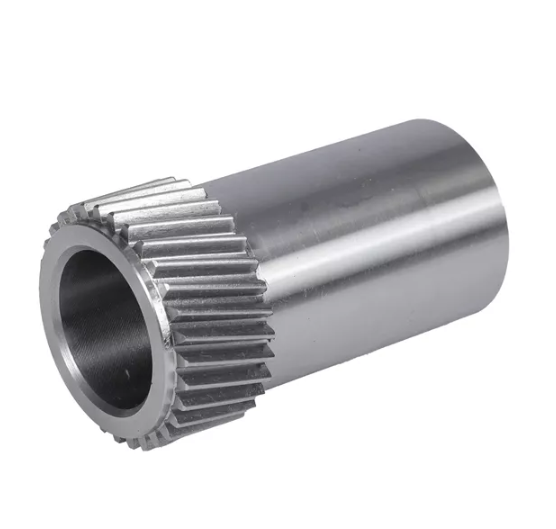
Controlled backlash offers several advantages over zero backlash, including greater adaptability to temperature fluctuations, easier load distribution, and better wear resistance. By allowing for a small gap, controlled backlash systems can compensate for thermal expansion, material deformation, and load-induced stress, making them more reliable over time.
When possible, opt for controlled backlash in your designs to improve the overall performance and longevity of your gear systems. This approach reduces the risk of jamming and ensures more reliable operation.
Selecting the appropriate backlash for a gear application depends on several factors, including the required precision, load capacity, and environmental conditions. For example, in high-precision systems, a very tight backlash may be necessary, while in heavy-duty applications, a slightly larger backlash may be acceptable to absorb operational stresses.
Consult with your gear supplier to determine the ideal backlash for your specific application based on performance, cost, and operational needs. This collaboration will ensure that your design meets both functional and operational requirements.
Zero-backlash gears provide precision and performance benefits, but they can jam under real-world conditions. Thermal expansion, coating buildup, tolerance stack-up, and bearing shifts may cause tight meshing, leading to jams. A controlled backlash design can provide more reliable and adaptable solutions to prevent these issues.
Engineers can create optimal gear systems by considering material expansion, temperature changes, and functional testing. Thorough testing and effective communication with suppliers ensure long-term reliability and avoid costly failures. Always opt for controlled backlash designs in dynamic environments.
Dongguan Yongfeng Gear Co., Ltd. offers high-quality custom gears with precision manufacturing processes. Their products deliver superior performance in diverse industries, ensuring long-term reliability.
A: Zero-backlash gears can jam due to factors like thermal expansion, coating buildup, tolerance stack-up, and bearing shifts, all of which can cause the gears to mesh too tightly.
A: Custom gear designs with controlled backlash allow for slight movement between teeth, reducing the risk of jamming caused by thermal expansion and load-induced stress.
A: Controlled backlash is more adaptable to temperature variations and load changes, providing a more reliable and durable solution for gear systems.
A: Thermal expansion can cause gears to expand, reducing the necessary clearance and potentially eliminating backlash, leading to interference and jamming in custom gears.
A: Yes, surface coatings can add thickness to gear teeth, reducing the necessary backlash and causing tight meshing, which may result in gear jamming.


