
Views: 0 Author: Site Editor Publish Time: 2025-12-09 Origin: Site


Have you ever replaced your gears, only to find the noise persists? It’s a common frustration for cyclists. Replacing gears might seem like the fix, but it doesn’t always solve the issue.
In this article, we will explore why this happens and offer actionable solutions. You'll learn how custom gears can help eliminate noise and improve your cycling experience.
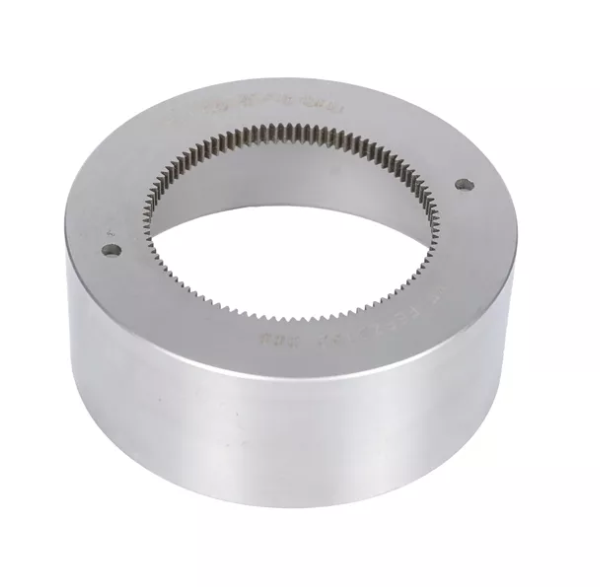
When you notice persistent gear noise, it’s often due to the wear on the chain or cassette. Over time, these components wear down, causing poor engagement between the gears. This misalignment leads to friction and noise, especially under load. Even though the gears may appear to be in good condition, a worn-out chain or cassette can prevent them from functioning optimally, creating unwanted sounds.
As your chain and cassette wear, they may no longer mesh smoothly. A worn-out chain may not fit the teeth of the cassette properly, causing skipping, slipping, or grinding sounds. This misalignment will significantly impact your cycling experience, making it uncomfortable and noisy. Regular inspections and maintenance are necessary to ensure the chain and cassette are working together. Replacing both parts at the same time can prevent these issues from recurring and improve overall performance.
To diagnose chain and cassette wear, use a chain checker tool. If the chain has stretched beyond the manufacturer's recommended tolerance, it’s time to replace both the chain and cassette to prevent further noise and shifting issues. It's essential to regularly check these components, as even minor wear can lead to significant performance problems. Diagnosing wear issues early can help avoid more costly repairs down the line.
Another common culprit behind gear noise is improper adjustment of the derailleur’s limit screws. These screws control the range of movement of the derailleur and ensure it doesn’t shift beyond certain points. If they’re not set correctly, the derailleur may not align properly with the cassette, leading to grinding or clicking sounds. Misaligned derailleur limit screws are often overlooked but can create significant issues that are easily fixable.
Limit screws play a crucial role in ensuring smooth and accurate shifting. When properly adjusted, they prevent the derailleur from overshooting the gear and causing noise. These small but vital components are responsible for guiding the derailleur’s movements and keeping it within the correct range of motion.
If the derailleur is unable to engage the gears properly due to incorrect limit screw settings, it can create unwanted noise. Regularly check the limit screws and adjust them if necessary to maintain proper shifting function. If you hear grinding or clicking sounds while shifting, it's a clear indication that the limit screws may need adjustment. Proper maintenance of these screws will significantly reduce the noise and ensure a smooth cycling experience.
Cyclists who ride fixed-gear bikes may experience noise due to mismatched wear patterns between the chain and cog. Unlike geared bikes, fixed gears do not offer the same flexibility to handle mismatched wear. Even slight wear on a fixed-gear cog can cause noticeable noise. The lack of a freewheel mechanism in fixed gear bikes means that the gears must maintain precise engagement at all times, making them more susceptible to wear-related issues.
Fixed-gear bikes have less tolerance for wear because they lack the ability to shift gears. In comparison, geared bikes have more flexibility and can adjust for minor wear, preventing noise. Fixed-gear systems rely on the exact alignment of the chain and cog, so any discrepancies can lead to noise. Understanding the limitations of fixed gears is essential for maintaining a quiet, smooth ride.
If your fixed gear bike makes noise after replacing the gear, check the compatibility between the chain and cog. Incompatible parts, even if they appear fine, can cause misalignment and noise. Custom gear solutions can help prevent this issue by ensuring perfect compatibility. Choosing the right combination of chain and cog will significantly reduce the risk of noise caused by mismatched wear.
Here’s a quick reference to help identify and address gear noise issues:
| Symptom | Possible Cause | Suggested Solution |
|---|---|---|
| Gear skipping or slipping | Worn chain or cassette | Replace both the chain and cassette at the same time |
| Grinding noise while pedaling | Poor chain and cassette compatibility | Check for wear using a chain checker and replace if necessary |
| Noise under load | Misalignment of chain and cassette teeth | Regular maintenance and timely replacement |
| Jerky shifting or hesitation | Stretched chain or worn cassette teeth | Use a chain checker tool and replace the worn components |
Replacing the gears is often seen as the solution to gear noise. However, the gear system is much more complex. Issues such as chain tension, misaligned derailleur, or worn cables can still cause noise even after replacing the gears. If these components aren't addressed, the noise will likely return. A more holistic approach that includes checking the entire drivetrain is necessary to eliminate the noise for good.
The source of gear noise isn’t always the gears themselves. Often, the problem stems from the broader system. For example, an old or poorly adjusted gear cable can cause the derailleur to misalign, leading to noise during shifting. Even if the gears are brand new, worn cables can still affect shifting accuracy. A thorough inspection of all drivetrain components is crucial to pinpoint the root cause and resolve the noise effectively.
While you may have replaced your gears, the underlying cause of the noise could lie elsewhere in the system. Issues like a chain that’s too tight or internal wear in the derailleur can prevent proper shifting, leading to noise. These problems can easily be overlooked when only focusing on replacing the gears. Therefore, it’s important to conduct a comprehensive inspection of all components to ensure everything is functioning as it should.
After replacing the gears, adjusting the entire system is essential for smooth operation. This includes fine-tuning the derailleur limit screws and ensuring the gear cables are properly aligned and tensioned. These adjustments are vital for ensuring that your gears shift smoothly and quietly, preventing any persistent noise.
Limit screws and gear cables play an important role in ensuring smooth shifting. After replacing the gears, they must be adjusted correctly. If the gear cables aren’t properly tensioned, the derailleur may not engage the gears correctly, which can result in noise. Properly fine-tuning these components will ensure that your new gears function at their best and remain quiet.
Small adjustments to the derailleur hanger or gear cable tension can have a significant impact on eliminating gear noise. These fine-tuning steps ensure that the gears are correctly engaged and shift smoothly, without creating friction or noise. Taking the time to make these minor adjustments can improve your bike’s overall performance and extend its lifespan.
One of the most common reasons replacing gears doesn’t solve the noise issue is incompatibility between the new gears and the existing chain. If the gears and chain are from different brands or have different wear patterns, they might not mesh properly, causing noise and poor shifting performance. Ensuring that your chain and gears are compatible is essential for smooth and quiet operation.
When replacing the gears, it’s essential to check the compatibility between your new gears and your existing chain. A mismatch between these two components can lead to poor engagement, which causes noise and irregular shifting. For optimal performance and to minimize noise, you should ensure that all the drivetrain components work together seamlessly.
To avoid compatibility issues, custom gears can be a great solution. Custom gears are designed to match your bike’s specific needs and are made to work perfectly with your existing chain. This ensures smooth performance and minimizes the risk of noise, making custom gears an ideal choice for cyclists who need high-quality, reliable components.
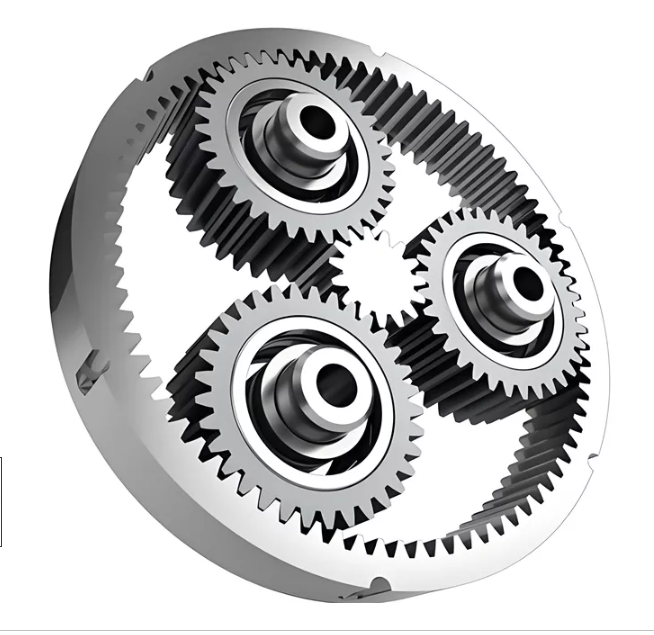
Before assuming that new gears will resolve your noise problem, make sure that both the gears and the chain are compatible. Mismatched components, even if they are new, can still cause noise. It’s important to check the alignment and wear patterns of both components to ensure they work well together, preventing any issues down the road.
It’s important to regularly inspect your chain and cassette for wear. Using a chain checker tool will help you identify when it's time to replace the chain. Even if the gears are in good condition, a worn chain can cause noise and prevent smooth shifting. Keeping an eye on the wear of your drivetrain components will help ensure that your bike operates quietly.
Generally, it’s recommended to replace the chain every 1,500 to 2,000 miles, depending on your riding conditions. Timely replacement of the chain will prevent wear on the cassette and other components, which can lead to costly repairs in the future. By staying on top of the wear cycle, you can maintain a quiet and smooth ride for longer.
After replacing the gears, it’s essential to fine-tune the limit screws to ensure accurate and smooth shifting. Incorrectly adjusted limit screws can cause gear noise and prevent smooth shifting, leading to a frustrating cycling experience.
Properly adjusted limit screws ensure that the derailleur engages the correct gear, preventing it from overshooting and causing noise. Use a screwdriver to adjust the limit screws for optimal shifting performance. By making these adjustments, you can improve the efficiency of your shifting system and reduce noise.
While adjusting the limit screws, be careful not to over-tighten them. Over-adjustment can lead to derailleur malfunction, resulting in noise or skipping gears. It’s crucial to make small, precise adjustments and test them frequently to ensure the system functions properly.
Custom gears are an excellent solution to compatibility problems. These gears are specifically designed to work seamlessly with your existing chain, ensuring smooth and reliable performance. Custom gears help eliminate noise caused by mismatched components and improve overall shifting efficiency.
Custom gears offer several advantages, including perfect compatibility with your bike’s chain and drivetrain components. These gears reduce noise and improve shifting performance, ensuring a smooth and quiet ride. For cyclists who demand the highest level of performance, custom gears are an investment that pays off in the long term.
When selecting custom gears, consider factors like your riding style, the terrain you typically ride on, and the compatibility with your chain. Choosing the right custom gear will help ensure smoother, quieter shifts, allowing you to enjoy a more comfortable and efficient ride. Custom gears are an ideal choice for those who want to maintain long-term performance and reliability.
Replacing gears is not always the quick fix for gear noise. The issue may lie in other components, such as the chain, limit screws, or gear cables. A thorough approach, inspecting and adjusting the entire system, ensures the best results. Understanding the causes of noise is key to smooth performance.
For cyclists with compatibility issues or specific needs, custom gears offer an excellent solution. They ensure all components work seamlessly, eliminating noise and enhancing shifting performance. Custom gears help your bike perform at its best. Regular maintenance is vital for avoiding noise and ensuring smooth operation. Promptly address wear issues and make necessary adjustments. Proper long-term maintenance prolongs your bike's life and prevents future repairs.
For businesses or cyclists looking for high-quality custom gear solutions, Dongguan Yongfeng Gear Co., Ltd. offers excellent products. Their custom gears are designed for precise compatibility and high performance, ensuring a smoother, quieter ride.
A: Replacing the gears may not address the underlying issues like worn chain, misaligned derailleur, or improperly adjusted limit screws. A complete system check is necessary for a smooth, quiet ride.
A: Custom gears are designed for precise compatibility with your bike's components. They ensure optimal performance, reducing noise and improving shifting accuracy, especially when dealing with mismatched parts.
A: Common causes include chain wear, misalignment, or limit screw adjustments. Replacing the gears alone may not fix these issues, and a comprehensive adjustment is needed.
A: It’s recommended to check custom gears during routine bike maintenance. Depending on wear, replacing them every 1,500–2,000 miles will ensure smooth performance and prevent noise.
A: Yes, custom gears can help resolve shifting issues by offering perfect compatibility with your chain, ensuring smooth engagement and significantly reducing unwanted noise.


